Are you eyeing a Central Lawrenceville loft or a sleek new condo but worried about surprise HOA costs? You’re not alone. Special assessments can catch buyers off guard and strain a budget if you do not know what to look for. In this guide, you’ll learn what special assessments are, why they happen in Lawrenceville, how they work in Pennsylvania, and the quick checks that help you spot risk before you write an offer. Let’s dive in.
What is a special assessment?
A special assessment is a one-time charge that your condominium association can levy on owners in addition to regular dues. Associations use them when operating budgets or reserve funds are not enough to pay for a big expense. Common examples include a new roof, elevator replacement, major plumbing repairs, storm damage deductibles after an insurance claim, or work required by a municipal order.
Put simply, it is the HOA’s way of covering costs that exceed day-to-day budgets.
Why they happen in Lawrenceville
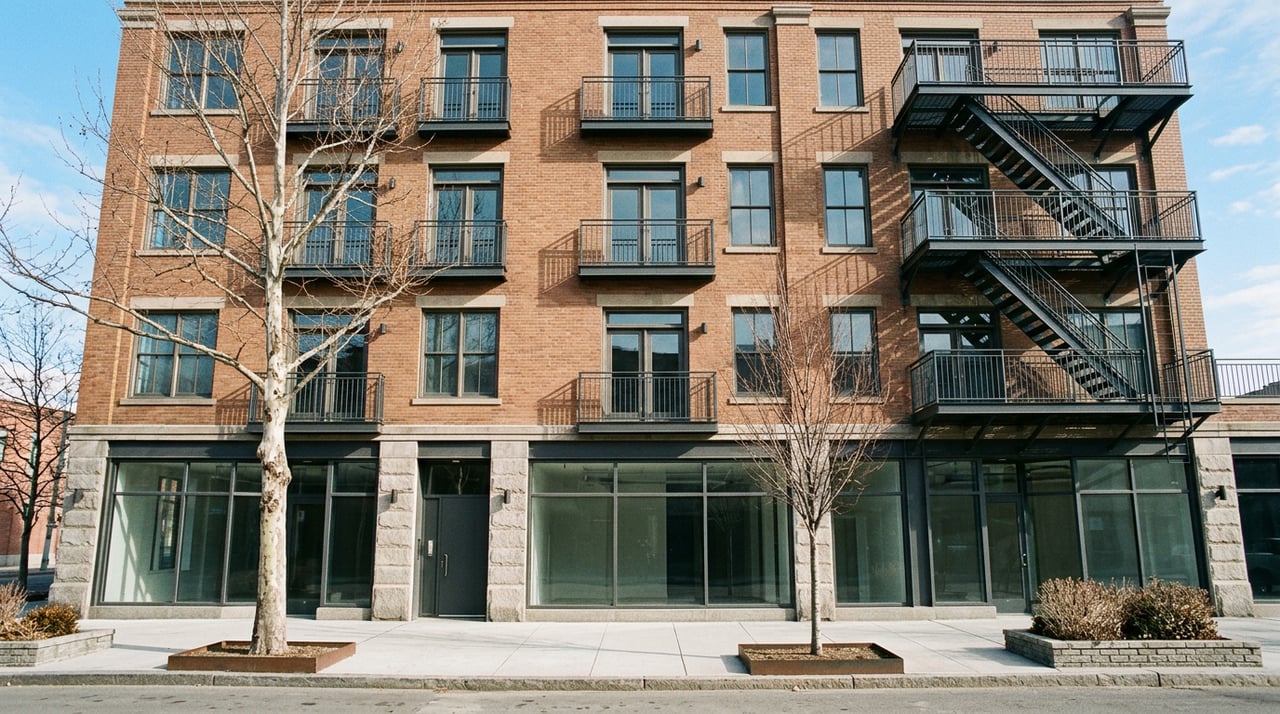
Central Lawrenceville has a mix of historic factory and warehouse conversions alongside newer infill projects. That blend creates different risk profiles:
- Converted brick lofts: Expect building envelope projects like tuckpointing, parapet and lintel repair, roof work, and window or masonry stabilization. Elevators and large plumbing stacks can also be near end-of-life in older structures.
- Newer buildings: They may start with low dues under developer control, which can leave reserves underfunded. Latent construction defects or limited warranties can trigger big costs later.
- Local factors: Exterior work on contributing or historic buildings can involve added approvals and longer timelines, which can increase cost. Municipal code or safety orders may require repairs on a deadline.
How assessments work in Pennsylvania
In Pennsylvania, your association’s governing documents guide how assessments are created, allocated, and collected.
- Board authority and votes: The declaration and bylaws set who can approve a special assessment and when owner votes are required. Some boards can levy assessments up to a threshold; larger amounts may need a membership vote.
- Allocation method: Costs are usually split by each unit’s ownership percentage or another allocation set in the declaration. Limited common element costs can be charged to only the units that benefit.
- Collection and liens: Associations typically have lien rights for unpaid assessments and can pursue collection. Unpaid balances can affect you, your closing, and your lender.
- Insurance deductibles: After a covered loss, the association may pass a high master-policy deductible to owners as a special assessment. Know whether the master policy is all-in or bare-walls so you can match your individual condo policy accordingly.
- Developer turnover: Early in a building’s life, a developer-controlled board may set dues that do not fully fund reserves. When owners take control, shortfalls can surface and lead to assessments.
Spot risk fast in minutes and studies
When you are comparing units, a quick scan of HOA records can reveal assessment risk before you fall in love with a kitchen or view.
Reserve study essentials
A reserve study lists major common components, their remaining life, and estimated replacement costs. Focus on:
- Components and timing: Roof, elevator, windows, masonry, large plumbing risers, and mechanicals. Note anything due in the next 1 to 5 years.
- Funding plan: Are monthly reserve contributions on track with the study’s recommendation?
- Percent funded: A lower funding ratio, often below roughly 40 to 50 percent, suggests higher assessment risk. There is no universal “safe” number, so use the study’s recommendations as your benchmark.
- Assumptions: Check whether costs and useful life align with a brick warehouse conversion versus a newer steel or wood building.
Reading board minutes
Board meeting minutes are the fastest way to spot patterns. Red flags include:
- Repeated mentions of “deferred maintenance,” “insufficient reserves,” or a “budget shortfall.”
- Ongoing talk of vendor bids or quotes for large projects without approved contracts due to funding.
- “Water infiltration,” “masonry failure,” “unsafe condition,” or a city code order.
- Frequent special charges or sharp dues increases.
- High delinquencies, liens, or discussion of foreclosures.
- Unresolved references to “developer turnover,” “warranty items,” or “developer to address.”
If the same problem appears across many meetings, it is likely a near-term cost, not a one-off.
Other documents to scan
- Financials and budgets: Compare reserve contributions to the reserve study’s recommendation. Look for transfers from reserves to cover operating costs.
- Insurance declarations: Check coverage type and deductibles. Higher deductibles increase out-of-pocket risk after a claim.
- Delinquency report: A large share of unpaid dues can push more cost to paying owners and can affect financing.
- Prior assessment history: Understand what was charged, why, and whether it solved the problem.
- Municipal notices: Any open orders or inspection items can force near-term repairs.
Due diligence checklist for buyers
Ask the seller and HOA for:
- Declaration, bylaws, rules, and amendments
- Last 2 to 3 years of board minutes
- Last 3 to 5 years of financials and current budget
- Current reserve study and funding plan
- Insurance declarations and deductibles
- Vendor bids and engineer reports for planned projects
- Litigation and claims history
- Delinquency report and collection policy
- Any municipal orders, inspection reports, or permits
Review these as part of your offer timeline, not after it.
Smart questions to ask the HOA
Use these to get clear answers quickly.
- Financial health
- What is the current reserve balance and percent funded? Are reserve contributions current or being used for operations?
- Any special assessments in the last 5 years? Why, how allocated, and fully paid?
- Capital projects and maintenance
- What projects are planned in the next 1 to 5 years? Are bids approved?
- Any deferred items like roof, masonry, windows, or pending city orders?
- Insurance and claims
- What is the master-policy deductible? How would it be allocated to owners after a claim?
- Any open claims or prior claims that impacted reserves?
- Governance and developer issues
- Is the association owner-controlled or still under developer control? What warranties remain?
- Any pending or recent lawsuits involving the association or developer?
- Collections and owner finances
- What percent of owners are delinquent and total dollars owed? Any recent liens or foreclosures?
- Assessment mechanics
- How are special assessments allocated among units? Any cap in the declaration?
- What notice and voting thresholds apply?
- Verification and access
- Can we review vendor bids and engineering reports?
- May our inspector or engineer evaluate major common elements?
If you find assessment risk
Assessment risk does not have to end your purchase. You have options.
Contract protections
- HOA document review contingency: Give yourself 7 to 14 business days, longer for complex buildings, to review HOA materials and cancel or renegotiate if needed.
- Special assessment contingency: Allow cancellation if an assessment above a set dollar or per-unit cap is levied or disclosed before closing.
- Seller disclosure and responsibility: Require the seller to pay any assessment announced or levied before closing, or escrow funds to cover it.
Negotiation options
- Price or credit: Seek a price reduction or closing credit equal to your share of a likely assessment or to move the reserve toward the study’s target.
- Escrow: Have the seller escrow proceeds to cover pending or reasonably expected work.
- Specialist reports: Hire a building envelope or structural engineer experienced with brick lofts to size near-term costs.
Practical next steps
- Reassess loan and insurance: Verify that the project meets lender condo guidelines and align your individual policy to cover interior finishes and potential loss assessments.
- Walk away when needed: If minutes, studies, and bids point to a large, near-term assessment or unresolved municipal orders, it may be prudent to move on unless terms compensate for the risk.
Lawrenceville lofts and new builds
- For older conversions: Pay close attention to roof age, façade condition, parapets, lintels, and window systems. Elevators and main plumbing stacks are big-ticket items that often drive assessments.
- For newer buildings: Confirm reserve funding at turnover, warranty coverage, and whether the developer funded initial capital needs. Low dues can be a red flag if not paired with a solid reserve plan.
Quick buyer checklist
- Get: declaration and bylaws, last 2 to 3 years of minutes, 3 to 5 years of financials, current budget, latest reserve study, insurance declarations, vendor bids, delinquency report, and any municipal notices.
- Ask: reserve balance and percent funded, planned capital projects, pending assessments, master-policy deductible, delinquency rate, and developer control status.
- Protect: include HOA review and special assessment contingencies, request seller payment or escrow for announced assessments, and bring in a condo-savvy attorney and inspector.
Work with a condo-savvy team
A clear, front-end review of minutes, reserve studies, and budgets can save you from surprise costs and help you negotiate with confidence. If you want a second set of eyes on a specific Central Lawrenceville building, schedule a free consultation with New City Pittsburgh.
FAQs
What is a condo special assessment?
- It is a one-time charge the HOA can levy on owners when regular dues and reserves are not enough to cover a major expense or deductible.
How are special assessments allocated in Pennsylvania condos?
- The declaration usually sets the formula, often based on each unit’s ownership percentage or another stated allocation method.
What documents should I review before buying in Lawrenceville?
- Ask for minutes, financials, current budget, reserve study, insurance declarations, vendor bids, delinquency report, litigation history, and any municipal notices.
How do reserve studies predict future assessments?
- They list major components, remaining life, and costs, then compare funding needs to current reserves to highlight potential shortfalls.
Can a Pennsylvania HOA lien my unit for unpaid assessments?
- Associations typically have lien rights for unpaid assessments and can pursue collection, which can affect closings and financing.
What can I negotiate if I discover a likely assessment?
- Seek a price reduction or seller credit, require an escrow at closing, or add contingencies that allow you to cancel if the risk grows before closing.