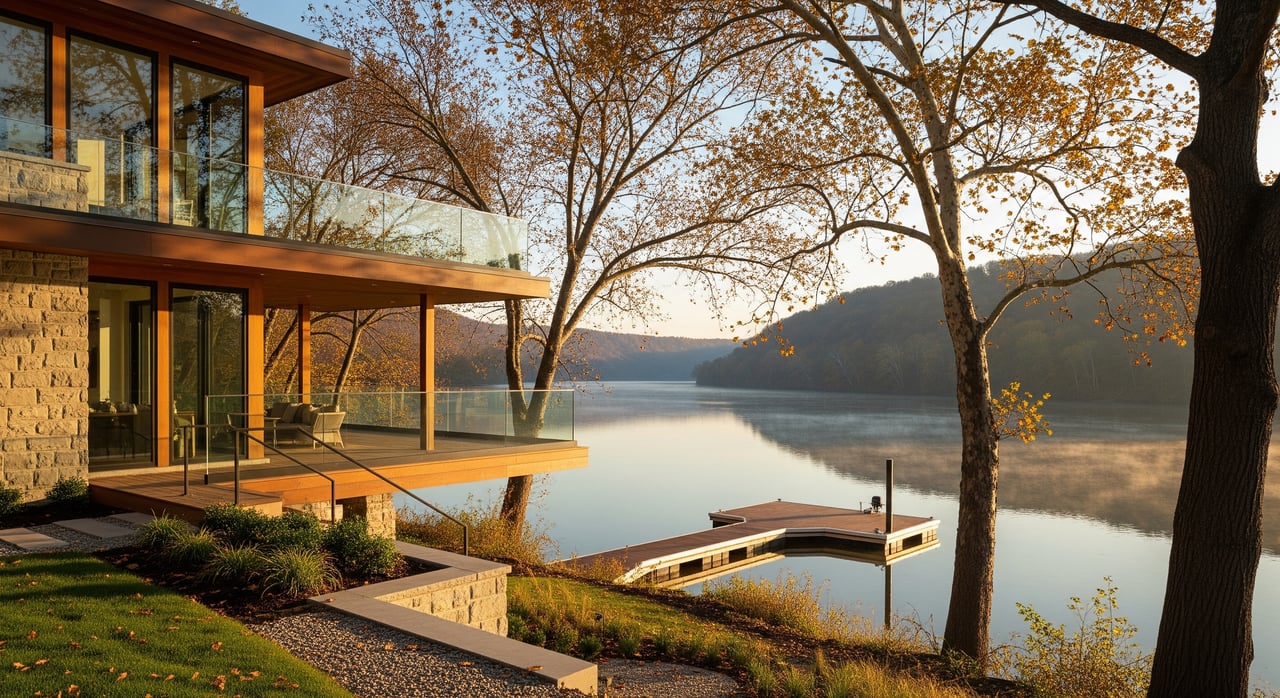
Dreaming of morning coffee on the deck while the Allegheny glides by? If you’re exploring riverfront homes in Oakmont, you’re likely looking for views, quick access to Pittsburgh, and a walkable borough vibe. You also want a clear picture of docks, flood zones, permits and day-to-day upkeep. This guide lays out the lifestyle benefits and the practical steps so you can decide with confidence. Let’s dive in.
Why Oakmont’s riverfront appeals
Oakmont sits on the Allegheny River northeast of Pittsburgh, with a compact, historic downtown and easy commuter access to city amenities. Riverfront living here blends scenery with convenience. You’ll find single-family homes, rowhouses, and condos, some with private yards or shared waterfront spaces.
Many properties have river-facing lower levels or terraces. Older stone or wood bulkheads, retaining walls and mature vegetation are common. Lot orientation, tree cover and neighboring density shape privacy and light.
Daily life on the Allegheny
Views and daily rhythm
Expect changing scenery throughout the day and seasons. You may see recreational boats in warmer months and quieter water in winter. Sound and privacy vary by location and tree buffers. Sun angles and foliage can affect light inside and outside your home.
Trails, walking and biking
Oakmont’s riverfront ties into a broader regional trail network. In some pockets, trails run close to neighborhoods. That can make dog walks, jogging and cycling easy. It can also add foot traffic near private yards, so consider how close a given lot sits to a public trail.
Boating and paddle sports
The Allegheny supports powerboats, pontoons, kayaks and canoes. Families often boat from spring to fall, and anglers use the river throughout the year when conditions allow. If you plan to keep a boat, confirm whether a property has dock rights, if a slip is available nearby, and where you’ll handle winter storage.
Fishing and wildlife
Warmwater fisheries are common in many reaches of the Allegheny, and shoreline fishing from private lots or nearby access points is a popular pastime. Riverfront settings attract birds and other wildlife. Expect seasonal insect activity, including mosquitoes, and occasional nuisance animals.
Community and events
Oakmont is known for its historic districts, small-town main street and civic events. You’re close to regional parks and golf. Borough calendars list community programming, and some events may highlight the riverfront.
Seasonal rhythms to plan for
Spring
River levels often rise with snowmelt and spring rains. Flood risk is elevated for properties in the floodplain. Banks can stay saturated longer, and shore structures may need inspection after higher flows.
Summer
This is the prime season for boating and paddling. Expect more river traffic, warmer water and summer storms that can bring wind. Insect activity typically increases, so plan for screens and yard maintenance.
Fall
Water levels often trend lower than spring, with standout foliage and cooler evenings. Occasional storms can still push levels higher, so keep an eye on river conditions.
Winter
Boating activity drops, and ice can form in shallow areas. Many owners remove floating docks or secure fixed structures to reduce ice damage. Outdoor maintenance shifts to winterizing systems and checking for freeze risks.
Costs and maintenance to expect
Routine and periodic tasks
- Shoreline care: Inspect bulkheads, retaining walls and vegetation; address erosion early.
- Docks: Remove or secure floating sections before winter; check hardware and fastenings annually.
- Drainage: Keep gutters, grading and swales clear to prevent concentrated runoff into the river.
- Pest control: Manage shoreline plantings and standing water to reduce mosquitoes and invasive species.
- House systems: Monitor basements and lower levels for moisture; use dehumidification and maintain HVAC.
Dock and shore structure care
Docks, pilings and fittings wear over time. Budget for inspections, re-fastening and occasional piling replacement. Ice and storm events are the main stressors, so seasonal prep matters.
Drainage and moisture defense
River-facing lower levels are prone to dampness. Plan for sump systems, sealed walls, proper grading and consistent dehumidification. Good yard drainage protects both your home and the shoreline.
Permits, rules and rights
Flood risk and insurance
Many riverfront lots fall within FEMA-designated flood zones. Before you buy, review flood maps for the exact parcel and ask for seller disclosures about any prior flooding or repairs. Your lender or insurer may require an elevation certificate. Standard homeowner policies usually exclude flood, so you may need a separate policy through the National Flood Insurance Program or a private provider. Note that standard policies often include a 30-day waiting period before coverage begins.
Docks and shoreline work
Permits typically apply to docks, piers, bulkheads and meaningful shoreline changes. Expect to work with local borough offices, Pennsylvania state agencies for waterways and wetlands, and potentially the U.S. Army Corps of Engineers for navigable waters. Many municipalities and associations set rules on dock size, materials, setbacks and seasonal timing. Request copies of relevant ordinances and any HOA rules early in your process.
HOA rules and easements
Condo and planned communities can restrict exterior changes, boat or RV storage, lighting and landscaping. They also set rules for shared riverfront spaces, including hours and guest access. Even without an HOA, recorded easements or public access along the bank may shape how you use the shoreline. A title review and survey can clarify what’s allowed.
Riparian rights, title and surveys
Riparian rights vary by deed and local law. Some properties include privileges such as dockage or recreational access. Others do not, or they may be limited by public easements. Order a current title report and boundary survey, confirm riparian privileges, and consult a real estate attorney if you have questions.
Utilities, septic and stormwater
Confirm how the property connects to sewer and stormwater systems. Some older homes may have combined or private systems that need upgrades. If a property uses septic, river proximity can affect design and setbacks. Check local health department records for clarity.
Safety and emergency planning
River settings benefit from railings, secure fencing for kids and pets, and clear evacuation routes. Local emergency agencies issue river-level advisories, so know your borough’s plan and how you’ll respond if water rises quickly.
Smart buying checklist for Oakmont
Use this list during tours and before you make an offer:
- FEMA flood map for the lot and any elevation certificate.
- Seller disclosures on flood history, repairs and photos of prior events.
- HOA bylaws, covenants and rules for docks, landscaping and common areas.
- Recent survey showing property lines at the river and any recorded easements.
- Copies of permits for existing docks, bulkheads or shoreline work.
- Inspection focusing on foundation, basement moisture and shoreline structures.
- Documentation on utilities, septic if present, and stormwater plans or improvements.
- Boat access options: private slip, neighborhood dock, public ramp and winter storage.
River access options to weigh
- Private dock at home: Convenient but subject to permits, inspections and seasonal care.
- Shared or neighborhood facilities: Lower upkeep, but availability and rules vary.
- Public ramps and nearby marinas: Reliable access without home-site construction; confirm parking, storage and seasonal hours.
Who to contact as you evaluate homes
- Borough of Oakmont for zoning, permits and local ordinances.
- Allegheny County planning or floodplain office for maps and stormwater guidance.
- FEMA and the National Flood Insurance Program for flood maps and insurance basics.
- U.S. Army Corps of Engineers, Pittsburgh District for navigable waters and permits.
- Pennsylvania Department of Environmental Protection for waterway and erosion control permitting.
- Pennsylvania Fish & Boat Commission for boating regulations, safety and access locations.
- Allegheny County Health Department for septic and sanitary guidance if applicable.
- Title company and a licensed land surveyor for easements and elevation certificates.
- A real estate attorney for riparian and title questions.
How to move forward with confidence
Riverfront living in Oakmont offers a meaningful lifestyle boost, from sunrise views to easy access to trails and boating. The flip side is a focused set of responsibilities around flood readiness, permitting and seasonal maintenance. The best outcomes come from targeted due diligence and a team that understands how local rules and lot-specific conditions shape daily life and long-term value.
If you’re considering a riverfront move, start with a conversation. We’ll help you align lifestyle goals with site, structure and budget, and we’ll outline the documents and contacts you need before you tour. Ready to explore? Connect with New City Pittsburgh to schedule a free consultation.
FAQs
What should I know about flood insurance for Oakmont riverfront homes?
- Many riverfront lots are in FEMA flood zones. Confirm the map for the exact parcel, ask for an elevation certificate if needed, and plan for a separate flood policy that often has a 30-day waiting period.
Can I install a private dock on the Allegheny in Oakmont?
- Possibly, but permits usually apply at local, state and federal levels. Review borough ordinances, any HOA rules and agency requirements before you plan or purchase.
Do I own the shoreline behind my house?
- It depends on the deed, survey and any public or private easements. Order a title report and boundary survey and seek legal guidance on riparian rights.
How do seasonal river levels affect daily life and access?
- Spring typically brings higher water and more saturation, summer brings boating and storms, fall is cooler with lower average levels, and winter ice can affect docks and shore structures.
What maintenance is unique to riverfront properties in Oakmont?
- Expect shoreline inspections, dock care and seasonal removal or securing, drainage management, pest control and moisture monitoring in lower levels.
Who enforces boating rules on the Allegheny River near Oakmont?
- The Pennsylvania Fish & Boat Commission, along with relevant local and federal agencies, sets and enforces boating and safety rules.