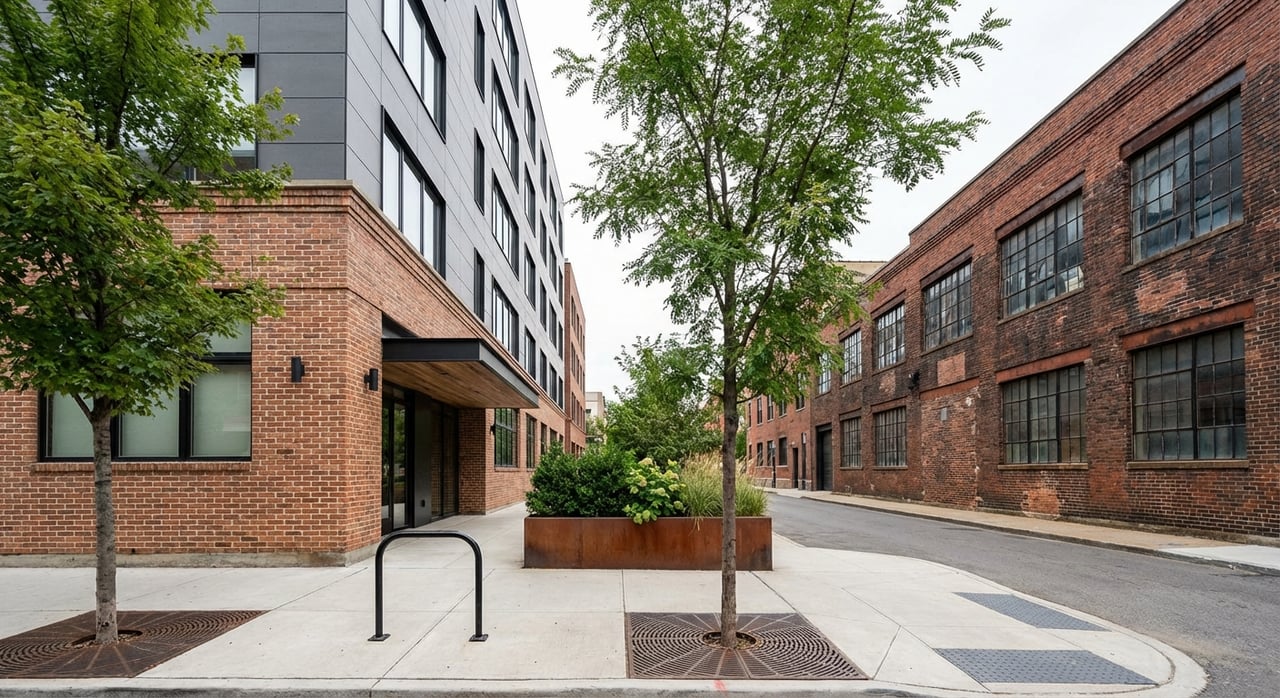
Are you weighing a condo or loft move in Central Lawrenceville and wondering what counts as a smart price in 2026? You are not alone. The neighborhood has a small but active condo market, and numbers can shift quickly when just a few units trade. In this overview, you will get a clear read on prices, product types, value drivers, timing, and practical checklists for buyers and sellers. Let’s dive in.
Snapshot: prices and pace in 2026
Public dashboards put Central Lawrenceville’s overall median sale price around the low to mid $400Ks so far in 2026, with listing medians in a similar band. Days on market has stretched versus the 2021–2022 peak, which means buyers often have more time to compare options. Because the condo and loft pool is small, a few sales can swing monthly medians. Use ranges as a guide, then verify with building-level comps before you act.
What this means for you
- Buyers: You may see more negotiation room than during the frenzy years. Recent national coverage notes buyers captured larger discounts in 2025, a pattern that can extend into 2026 for many condo segments. You can read that context in this overview of where buyers landed strong deals from MarketWatch.
- Sellers: Pricing tightly to recent comps and refreshing presentation are essential. Units with clear advantages like parking or outdoor space still command attention, but the window to secure top-of-market offers is narrower.
What you will find in Central Lawrenceville
Core product types
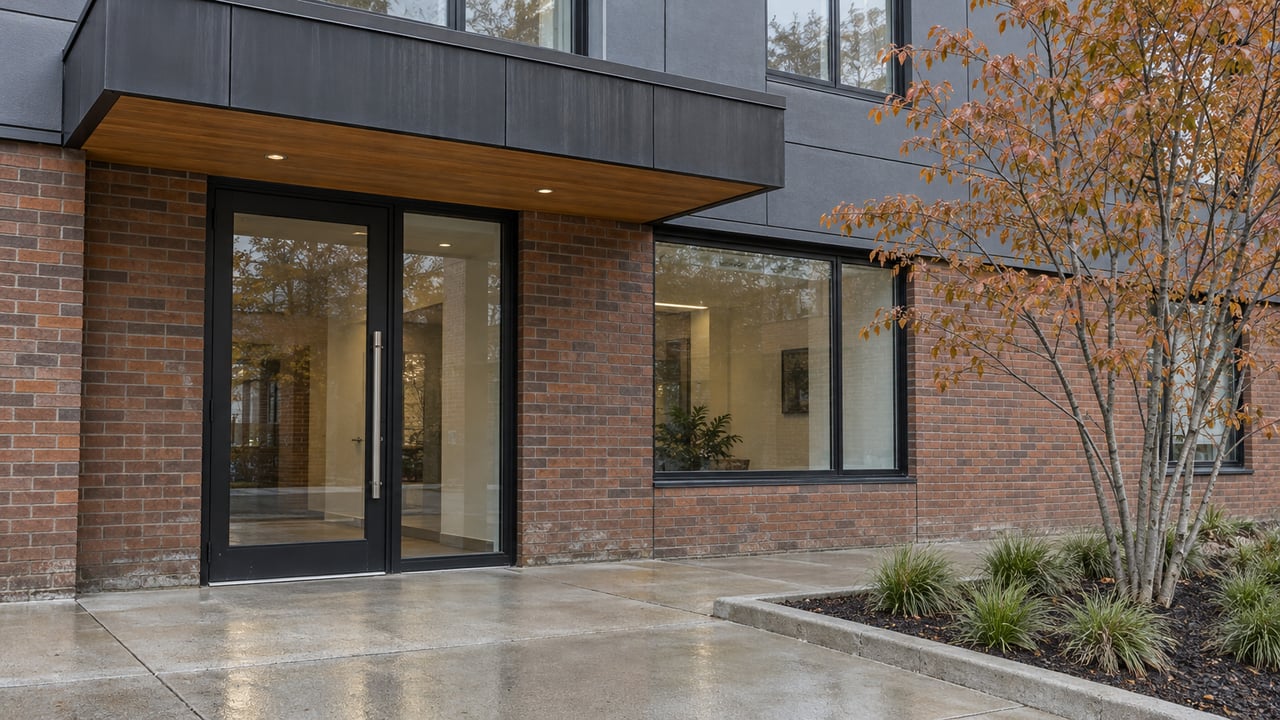
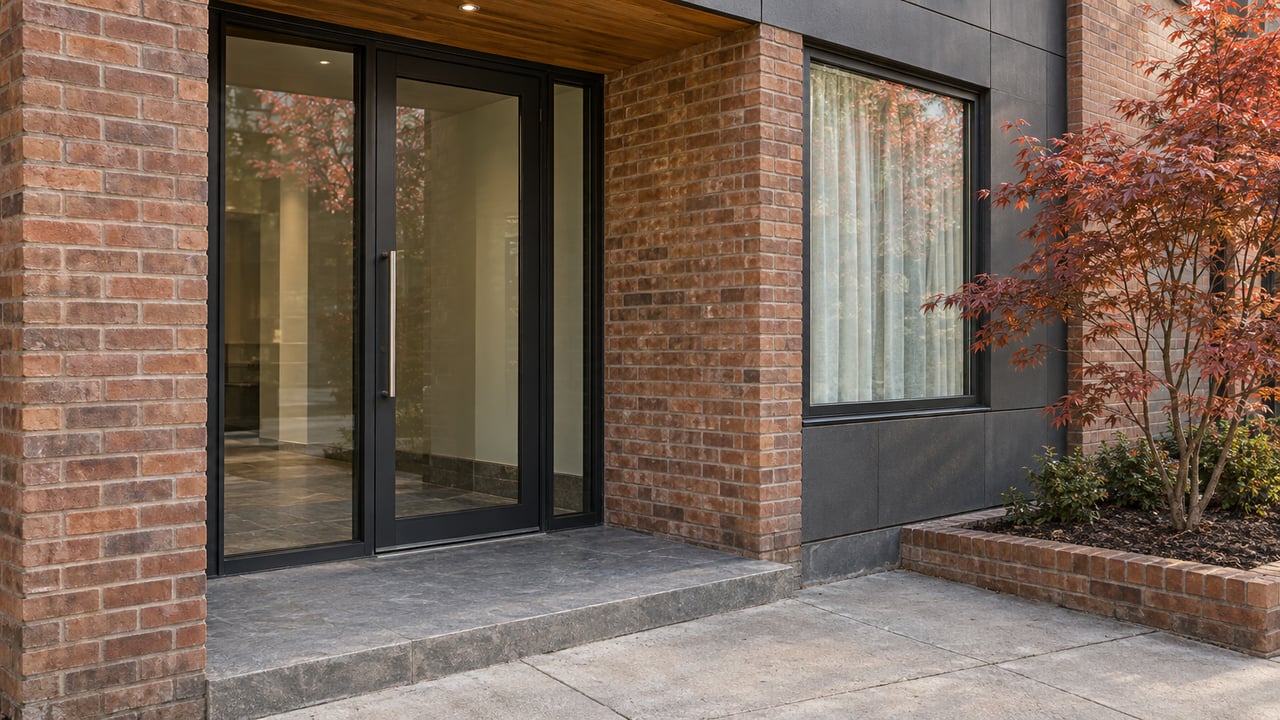
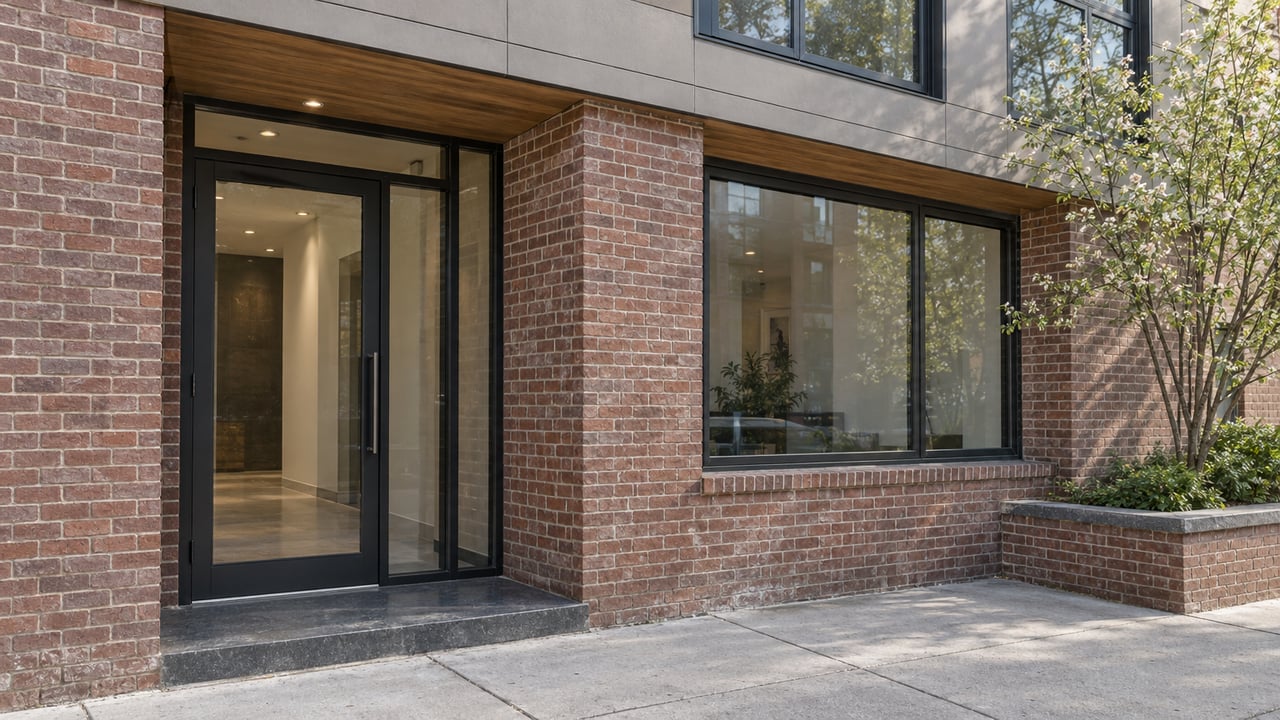
- Converted industrial and warehouse lofts. These are the classic Lawrenceville look with tall ceilings, large windows, and exposed brick or concrete. Roof decks and off-street parking appear as premium features in many conversions.
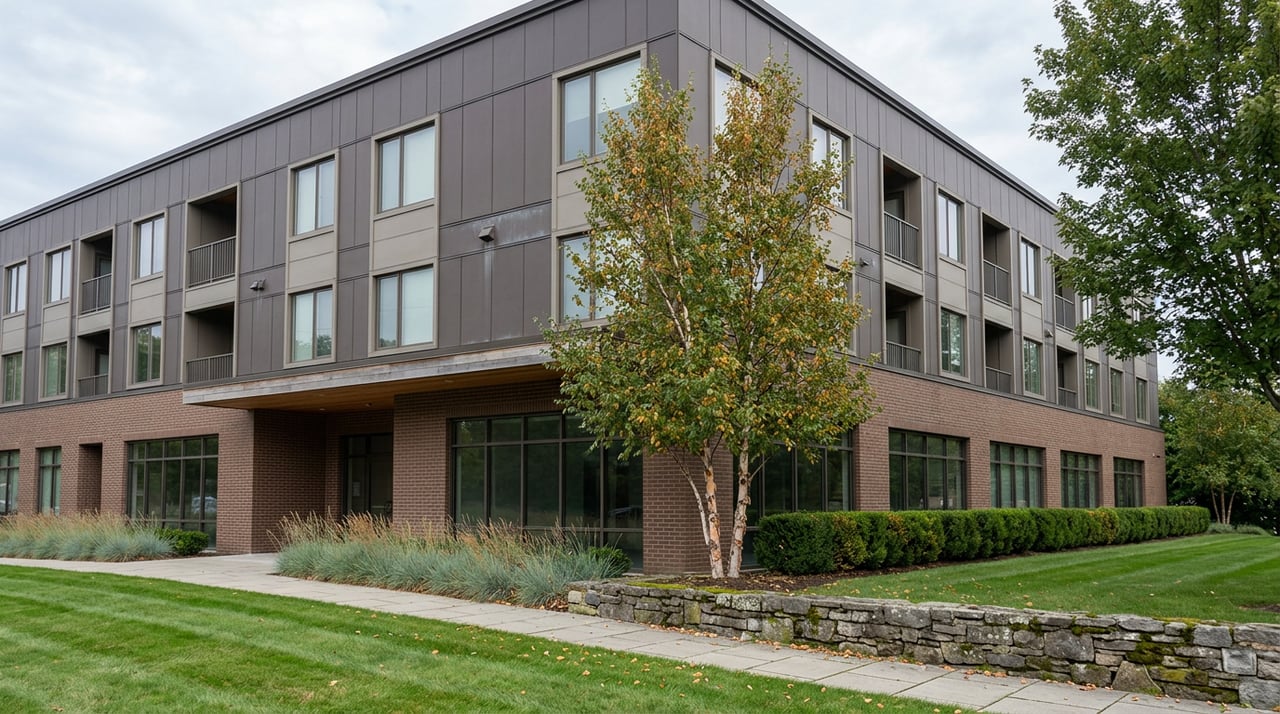
- New mid-rise condo buildings and luxury infill. Projects completed between roughly 2018 and 2023 brought elevator buildings, rooftop amenities, and structured parking to the neighborhood. As one reference point, the contemporary offerings at Lawrenceville Lofts on Butler Street illustrate the new-construction amenity set.
- Townhome-style infill and renovated rowhouses. Some townhomes trade as fee simple while others sit in condo associations. Finishes, parking, and outdoor space vary widely.
Typical price bands
- 1-bedroom condos and lofts: roughly 250,000 to 400,000 dollars depending on building, finishes, and parking. Smaller conversions or units without parking price toward the lower boundary, while newer elevator buildings trend higher.
- 2-bedroom condos and lofts: roughly 350,000 to 700,000 dollars and above. Premium penthouse layouts, private terraces, and new construction push to the top end. Pricing per square foot in premium buildings often runs about 300 to 500 dollars per square foot, with older conversions or smaller formats below that.
HOA and carrying costs
Expect a meaningful HOA line item. Mid-rise buildings with elevators, garages, and common amenities often run a few hundred dollars per month, with some examples in the 300 to 560 dollar range. Always confirm what the fee covers, including water, master insurance, elevator and garage maintenance, and reserves for capital projects. For background on why healthy reserves matter, see this plain-English explainer on HOA reserves and studies from CCG.
What drives value here
Location near Butler Street
Proximity to Butler Street’s restaurants, galleries, and daily conveniences is a known value driver. Buildings that put you steps from that corridor frequently trade at a premium because they deliver true walkability. The Lawrenceville Lofts neighborhood page offers a good snapshot of nearby amenities.
Design and finish quality
High ceilings, large windows, exposed materials, and updated kitchens elevate buyer interest. Private outdoor space and natural light can separate two otherwise similar units by a meaningful margin. Newer buildings often bring contemporary finishes that reduce near-term maintenance.
Parking and storage
Assigned off-street or garage parking is a decisive feature in the city and supports resale value. Deeded storage or bike rooms add everyday convenience for urban living.
Incentives and taxes
Select new infill projects have marketed tax abatements or optimized HOA structures in recent years. These programs vary by building and timeline. Verify any incentive directly in the resale certificate and public records when you compare options.
Macro demand for Pittsburgh
Pittsburgh remains relatively affordable compared with many large metros, which draws interest from local move-up buyers and some relocating professionals. That affordability story has been covered in local reporting, including this Axios note on Pittsburgh pricing and affordability.
Inventory and the near-term pipeline
Central Lawrenceville’s condo and loft supply is constrained but diverse. The active list often shows a few dozen choices at a time, and days on market has lengthened compared with 2021–2022. That said, the broader neighborhood pipeline matters. Large projects like Arsenal 201 along Butler Street added hundreds of units and mixed-use space, which can change traffic patterns and the balance between rentals and ownership. Learn more about the scale of that addition in the Arsenal 201 development announcement.
Community groups such as Lawrenceville United and Lawrenceville Corporation have also advanced inclusionary housing tools and neighborhood metrics that influence future development. You can explore local metrics and priorities in the Lawrenceville Corporation’s neighborhood metrics.
Timing your move
Seasonality and strategy
Spring and early summer typically bring the widest buyer pool and stronger pricing, while late fall and winter can open negotiation windows for buyers. Pennsylvania data points to June as a strong sale month historically, which you can use as a high-level guide from this statewide seasonality overview. Local building-level conditions still matter most.
Signals to watch
- Active listings in your target building or immediate peers
- Days on market and price reductions for comparable units
- Any new releases that could shift attention or pricing
If several close comps cut price or sit beyond the average time to contract, tighten your list price and marketing window. If inventory is thin and recent trades went quickly, be ready to act with a solid pre-approval.
Negotiation in 2025–2026
Condos nationally showed more room for negotiation in 2025 than during prior years, and that dynamic can persist in 2026. Older conversions without parking or with lean reserves may need to price to the market to move. For broader context on buyer leverage, see the summary from MarketWatch.
Buyer due diligence checklist
- Request the full resale or estoppel package. Review the budget, financials, reserve study, insurance declarations, meeting minutes, owner-occupancy ratios, and any pending or recent special assessments. A clear reserve study helps you gauge future capital needs. For a helpful primer on reserves and why they matter, read this guide from CCG.
- Verify parking and storage rights. Confirm whether spaces are deeded or licensed and whether guest parking is available. If parking is separately rented, get the terms in writing.
- Confirm lending eligibility. If you plan to use FHA or VA financing, ask your lender about project approvals or single-unit approvals and the requirements for owner occupancy and commercial space. See HUD’s overview of single-unit approvals here.
- Ask about upcoming capital projects. Roof, façade, and elevator work can mean future assessments. Review owner delinquency rates, too.
- For loft conversions, confirm certificate of occupancy and that developer-to-association handoffs are complete. Unfinished developer items can become shared costs later.
Seller prep checklist
- Pull 6 to 12 months of closed comps in your building. If the sample is small, widen to nearby, similar-age conversions or mid-rise condos in Central Lawrenceville. Focus on price per square foot and time to contract.
- Order the resale certificate early. Clean, current financials and transparent reserves reduce friction and help keep buyers committed through underwriting.
- Time the market thoughtfully. Spring often captures the broadest audience, while pricing agility is key if competing units list nearby. For a high-level look at Pennsylvania’s best sale months, see this seasonality reference.
- Showcase value drivers. Highlight parking, outdoor space, storage, and any recent capital improvements or efficient systems that lower ownership costs.
How Central Lawrenceville compares nearby
- Strip District: Typically higher median sale prices and a smaller, luxury-leaning condo set. Central Lawrenceville sits below that niche on pricing while still offering strong access to amenities.
- Shadyside: Higher medians driven by a different product mix that includes larger homes and premium finishes. Central Lawrenceville’s value story centers on design-forward lofts, newer mid-rise options, and walkability.
Is Central Lawrenceville right for you?
If you value design character, walk-to-everything access, and low-maintenance living, Central Lawrenceville’s condo and loft mix delivers a compelling package. Pricing spreads are wide, so building-level comps, HOA health, and parking often decide which unit is the right fit. Whether you are buying or selling, a focused strategy around presentation, timing, and terms will improve your outcome.
Ready to map your next step or get a building-specific price check? Connect with the team at New City Pittsburgh to schedule a free consultation.
FAQs
What is the 2026 median price for Central Lawrenceville condos and lofts?
- Public dashboards show the neighborhood’s overall median around the low to mid $400Ks in early 2026. Use that as a starting point, then rely on recent sales in the same building for a final price view.
How long do Central Lawrenceville condos typically take to sell?
- Days on market has lengthened compared with 2021–2022, often stretching several weeks or longer. The exact timing depends on building, pricing, and features like parking or outdoor space.
What are typical HOA fees for Lawrenceville condos, and what do they cover?
- Many elevator buildings range from roughly 300 to 560 dollars per month. Fees often cover common area maintenance, master insurance, water in some cases, reserves, and building services like elevators or garage maintenance.
Are there new developments that could affect inventory or pricing?
- Yes. Larger additions like Arsenal 201 increased total units and retail along Butler Street, which can influence demand for nearby resales. Learn more from this Arsenal 201 overview.
Can I use FHA or VA financing for a Central Lawrenceville condo?
- Sometimes. Financing depends on the project’s approval status and factors like owner-occupancy and commercial space. HUD outlines single-unit approvals and requirements here.