If you are selling in Oakmont, you are not just presenting a house. You are presenting a way of life tied to walkable streets, outdoor routines, and the Allegheny River setting that gives the borough its character. Buyers here can afford to be selective, so thoughtful staging can help your home feel clearer, calmer, and easier to picture as their next move. Let’s dive in.
Why Oakmont staging needs a local angle
Oakmont stands out for more than square footage. The borough’s planning documents emphasize pedestrian circulation, neighborhood connectivity, a central business district shaped around walkers, and a strong park and recreation identity. That means buyers are often responding to how a home supports daily life, not just how many rooms it has.
In a market where homes are not moving in a frenzy, presentation matters. Spring 2026 snapshots show Oakmont as balanced or not very competitive, with reported days on market ranging from about 37 to 52 days depending on the platform. That gives buyers more room to compare homes closely, which makes staging a smart part of your selling strategy.
Stage for lifestyle, not a fake river story
Riverfront-minded buyers are often drawn to Oakmont because of the broader setting, not because they expect every home to sit on the water. The key is to stage around the feeling of connection to parks, walkability, and outdoor living without overstating what your property actually offers.
If your home has a river view, highlight it honestly and simply. If it does not, do not force nautical decor, blue accents, or vague language that implies waterfront access. Instead, show how your home fits the kind of routine many buyers want in Oakmont: easy mornings, usable outdoor space, and a layout that supports getting out to the park, business district, or market.
Make the entry feel intentional
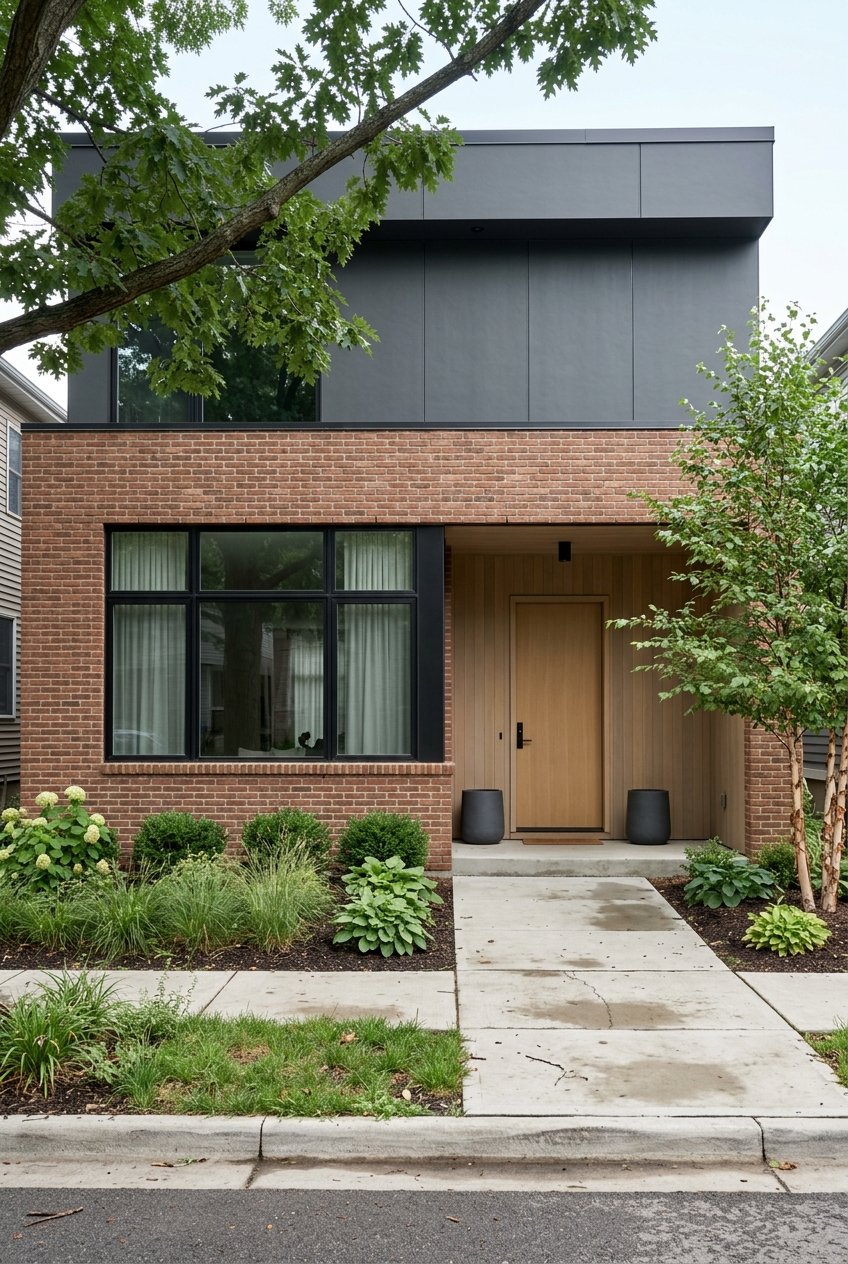
First impressions matter in a borough known for tree-lined streets and a small-town feel. The walk from the curb to your front door should look neat, open, and cared for. That starts with swept walkways, clean porches, tidy private landscaping, and restrained seasonal decor.
Your goal is not to make the exterior look elaborate. It is to make it feel settled and welcoming. In Oakmont, a simple entry often works better than one crowded with planters, signs, or too many decorative pieces.
If tree work affects the public right-of-way, remember that Oakmont requires approval through the Shade Tree Commission process. That is an important local detail if you are trying to freshen curb appeal before listing.
Treat outdoor space like a real room
Oakmont’s local appeal includes parks, trails, and a broader riverfront identity. Because of that, buyers often respond well to outdoor areas that feel usable. A porch, deck, patio, or small yard should read as part of the home, not as an afterthought.
Keep the setup simple. One seating area, a clear focal point, and open walking space will usually show better than extra chairs, storage bins, or oversized dining sets. If your yard is modest, less furniture is often the better choice because it helps the space feel larger.
How much outdoor furniture is enough?
For most Oakmont homes, enough means just enough to show purpose. A pair of chairs and a small table can define a porch. A compact dining set or conversational grouping can define a patio.
Try to leave visible open space around the furniture. Buyers should be able to imagine movement, sunlight, and flexibility. If they have to mentally remove half your setup to understand the yard, it is too full.
Keep interiors calm and functional
Inside, your staging should support easy circulation, natural light, and a move-in-ready feel. That matters in any market, but it is especially helpful in Oakmont, where the broader lifestyle story is about connected daily living. Rooms should feel straightforward and useful.
That means cutting back on bulky furniture, clearing visual clutter, and letting each room have one clear job. Buyers should not have to guess how a room functions. The faster they understand the layout, the easier it is for them to picture themselves living there.
Stage spare space with purpose
If you have a spare bedroom, alcove, or landing area, avoid using it as visible storage. In Oakmont, a flexible nook often shows better as a home office, reading corner, or small work zone. That matches the kind of routine many buyers are looking for in a walkable community.
This does not require a full redesign. A desk, chair, lamp, and a few edited accessories can be enough. The goal is to suggest usefulness without making the area feel overly specific.
Show storage that supports daily life
Storage may not be glamorous, but it helps buyers imagine a home that functions well. In a place where people may be heading to parks, the business district, or the Saturday farmers market, small storage solutions can make a strong impression. Think organized hooks, a clean bench, a tidy coat area, or a neat spot for shoes and bags.
The point is not to stuff the home with bins or labels. It is to show that everyday items have a place. A home that feels organized also feels easier to live in.
Match your staging to your true location
Oakmont buyers often care about proximity to the borough core, park access, and the riverfront setting. That does not mean every listing should use the same language. Your staging and marketing should reflect what is factually true about your property.
If your home is near the business district, show a front porch or entry that supports a walkable routine. If it is closer to Riverside Park or another local green space, make outdoor living and gear storage feel especially thoughtful. If it is not close to the water, lean into Oakmont’s overall character rather than implying a river lifestyle the property does not directly deliver.
How to mention walkability accurately
Be specific and factual. It is better to say your home is near Oakmont’s business district or close to local parks if that is true than to rely on broad phrases like near everything. Buyers trust clear language, and accurate staging supports that trust.
This is where details matter. A practical mudroom bench, a polished front walk, or a tidy porch can reinforce a walkable lifestyle without making claims you cannot support.
Use photos to tell a local story
Photography should mirror the way a buyer experiences the home. Start with the front exterior, then the entry or porch, the main living area, and the outdoor space. After that, highlight any location context that truly applies to the property.
If the home is near the borough core, Riverside Park, or the farmers market corridor along Allegheny River Boulevard, those facts can help tell the story. If not, focus on the home’s own strengths. Honest presentation is stronger than trying to fit every Oakmont listing into the same riverfront narrative.
Be careful with future plans
Oakmont’s comprehensive plan discusses a proposed Riverwalk along the Allegheny Riverfront in Edgewater, along with other connectivity improvements. That can shape how people think about Oakmont’s future, but it should not be presented as a current property feature unless it directly applies and is accurately described.
This matters when staging and writing listing remarks. You can speak to Oakmont’s riverfront setting and connected character, but you should avoid overpromising direct access or future amenities. Buyers respond best when the home feels authentic.
A simple Oakmont staging checklist
Before your home goes live, focus on the details that support Oakmont’s lifestyle appeal:
- Clean and simplify the walk from curb to front door
- Edit porch decor and keep seasonal items minimal
- Trim and tidy private landscaping
- Stage decks, patios, and yards as usable rooms
- Remove excess outdoor furniture to preserve open space
- Create one clear purpose for each interior room
- Turn spare areas into a work zone, office, or reading nook
- Organize shoes, coats, and daily-use storage areas
- Use listing photos that reflect the home’s real location context
- Avoid implying river views or direct water access if they do not exist
Thoughtful staging helps buyers connect the dots. In Oakmont, that usually means showing a home that feels walkable, functional, and ready for everyday life.
If you are getting ready to sell and want a strategy shaped around how buyers actually shop in neighborhood-driven markets, New City Pittsburgh can help you position your home with clarity and confidence.
FAQs
How should you stage an Oakmont home if it is not on the river?
- Focus on walkability, outdoor living, park access, and a calm interior layout rather than implying a waterfront setting.
What outdoor spaces matter most when staging a home in Oakmont?
- Porches, decks, patios, and small yards can all add value when they are clean, simple, and staged as usable living areas.
How can you talk about walkability when selling a home in Oakmont?
- Use accurate, factual language about proximity to the business district, parks, or other local features instead of vague claims.
What should you highlight if your Oakmont home is closer to parks than to the water?
- Emphasize usable outdoor space, organized storage for daily routines, and the home’s connection to Oakmont’s broader recreation-focused setting.
Why does staging matter in the Oakmont housing market?
- Recent market snapshots suggest buyers have time to compare homes, so polished presentation can help your property stand out.