If you are waiting for a big wave of new urban condos to hit Pittsburgh, the market may feel quieter than expected. That is because the city’s for-sale pipeline is not being driven by a long list of high-rise towers. Instead, it is shaped by a small number of neighborhood-specific projects, with the Strip District leading the way and a handful of boutique developments filling in around it. If you are buying, selling, or thinking about development, understanding where new condos are actually happening can give you a real edge. Let’s dive in.
Pittsburgh’s condo pipeline is selective
Pittsburgh’s urban condo pipeline is active, but it is not broad-based. The strongest concentration of current and future for-sale product is in the Strip District, where Strip District Neighbors reported 2,332 existing residential units, 2,509 units in the pipeline, 524 units under construction, and 1,985 units expected to deliver in the next few years.
That does not mean all of those pipeline units are condos. Still, the same report makes clear that the Strip District is the city’s most active urban growth corridor, especially east of 28th Street. For buyers and developers, that concentration matters because it points to where new opportunities are most likely to appear first.
Strip District leads the for-sale story
The Strip District stands out because it combines new housing activity with the kind of day-to-day urban access that condo buyers often want. The neighborhood report lists a Walk Score of 76, Transit Score of 59, Bike Score of 82, five Pittsburgh Regional Transit bus routes, more than a mile of bike infrastructure, and 8.6 million annual visits to the Penn Avenue business district.
Those numbers help explain why so much attention is focused here. Buyers are often looking for homes near trails, retail, restaurants, and convenient transportation options. Developers, in turn, tend to launch projects where the location story is easy to understand and demand is easier to build.
Sales activity also supports the Strip District’s role in the market. According to Strip District Neighbors, 39 residential units sold in 2024, down from 51 in 2023, with much of the 2024 sales volume tied to Penn 23’s completion. The same report says average sales price reached $481 per square foot, and 15 homes sold for more than $1 million.
That pricing does not suggest an oversupplied market. It suggests scarcity, especially for newer, well-located product. When a neighborhood has limited for-sale inventory and a steady stream of interest, even a modest condo launch can stand out quickly.
Downtown is active, but condos are niche
Downtown Pittsburgh is still part of the urban housing conversation, but the product mix is different. The Pittsburgh Downtown Partnership’s 2022 residential report said condominiums accounted for only 15% of the Greater Downtown housing market and that 280 new condo units were in the pipeline at that time.
More recent activity tells a more rental-heavy story. In 2025 and 2026, Urban Redevelopment Authority activity has centered mostly on rental conversions, including 217 units across three Downtown projects advanced in September 2025 and 46 apartments at Smithfield Lofts scheduled for fall 2027 completion.
For buyers, that means Downtown condo opportunities may be more limited and more specialized than the broader apartment pipeline suggests. For developers, it means the market is not currently signaling a mass wave of new for-sale product in the urban core.
Boutique projects define many neighborhoods
Outside the Strip District and Downtown, Pittsburgh’s condo market is often shaped by smaller adaptive-reuse buildings. That pattern shows up clearly in New City Pittsburgh’s project roster, where Bloomfield Lofts is described as an 18-residence warehouse conversion and Matthew’s Lofts as six townhome-style condos in a former church.
This is an important part of the local story. Pittsburgh’s urban for-sale pipeline is not dominated by one or two giant towers. It is built through smaller launches that respond to the character, scale, and buyer pool of a specific neighborhood.
That can create a very different experience for buyers. Instead of choosing among dozens of similar units in one large building, you may be comparing a limited number of homes in a project with a distinct architectural style, layout mix, and release timeline.
How Pittsburgh projects reach market
If you are trying to understand when a condo project may actually become available, it helps to know how projects move through the city review process. The City of Pittsburgh says OneStopPGH’s Building and Development Application, launched in June 2024, combines zoning approval and the building permit into one filing.
Projects that trigger public hearings, including those with four or more new residential units or special exceptions, must hold a Development Activities Meeting at least 30 days before the first public hearing. The city’s planning calendar can be searched by address or OneStopPGH record number, which gives buyers and developers a way to monitor activity before homes are released.
A project at 1700 Penn Avenue shows how long this process can take. The city’s EngagePgh page says the project is planned for 64 residential units in a 14-story mixed-use building, and city review records show the case was filed in 2024, heard on August 21, 2025, and decided on December 29, 2025. The city also says the project will go through design review.
That timeline is a useful reminder that a project becoming visible is not the same as a project being ready for sale. In Pittsburgh, entitlement timing can shape everything from launch windows to buyer expectations.
Why pre-sales still matter
Condo development works differently from rental development because developers need units to sell, not just lease. The Urban Institute notes that successful condo projects depend on fast sales and that lenders have historically used pre-sale requirements of roughly 60% to 70% of units.
In practical terms, that means momentum matters early. Developers often need strong initial interest, and buyers who want the best selection may need to pay attention before a building is complete. A polished launch, clear floor plans, and a strong neighborhood story can all affect how quickly a project moves.
Pittsburgh offers real examples of this pattern. A 2020 groundbreaking article on Forte said half the units had sold before move-in was scheduled, and New City Pittsburgh’s current project page now lists Forte as sold out. Penn 23 appears to be in a similar late-stage cycle, with its availability page showing almost all units sold, one unit priced at $975,000, and one marked coming soon.
What buyers should watch early
If you are hoping to buy in a new urban condo project, timing is one of your biggest advantages. By the time a building looks finished from the street, the best floor plans may already be spoken for.
A smart early-watch list can include:
- City Development Activities Meeting schedules
- Public project review records by address
- Project pages for active or upcoming developments
- Signs of neighborhood clustering, especially in the Strip District
- Amenity details that affect everyday livability
This approach does not guarantee access to every new release, but it can help you spot projects earlier in the cycle. In a market with limited inventory, early awareness often matters more than waiting for broad public marketing.
What amenities are driving interest
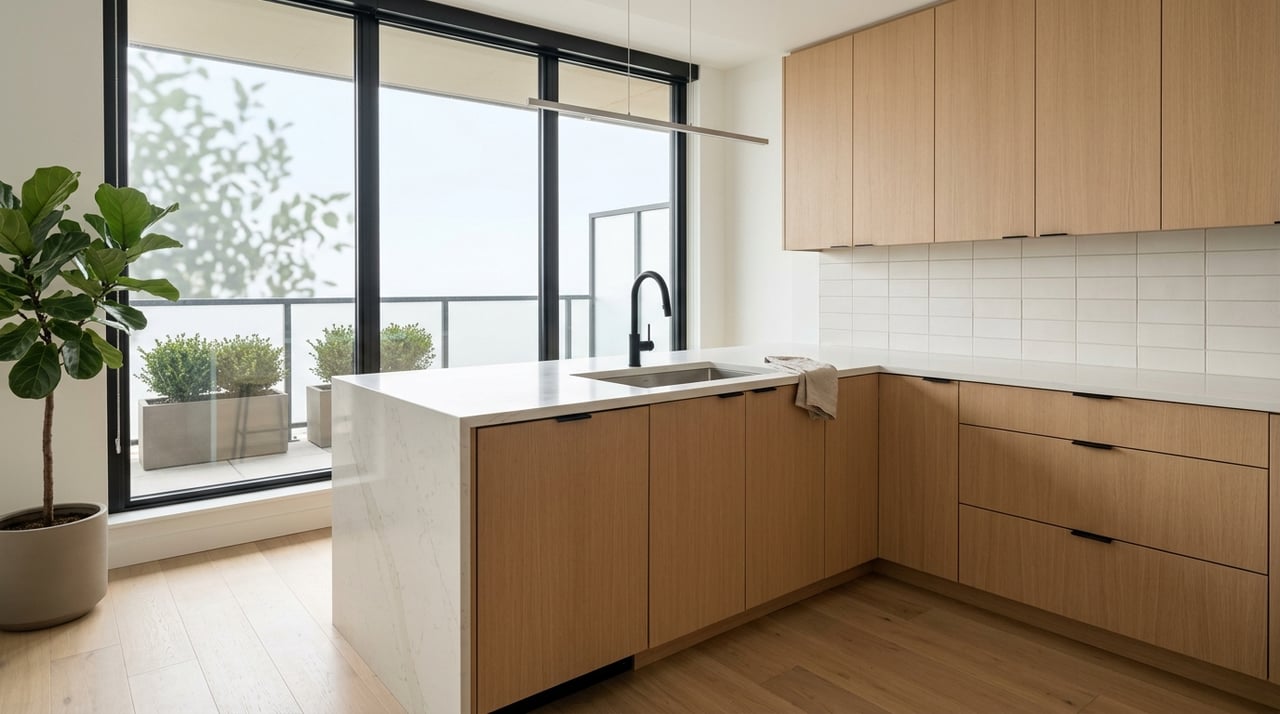
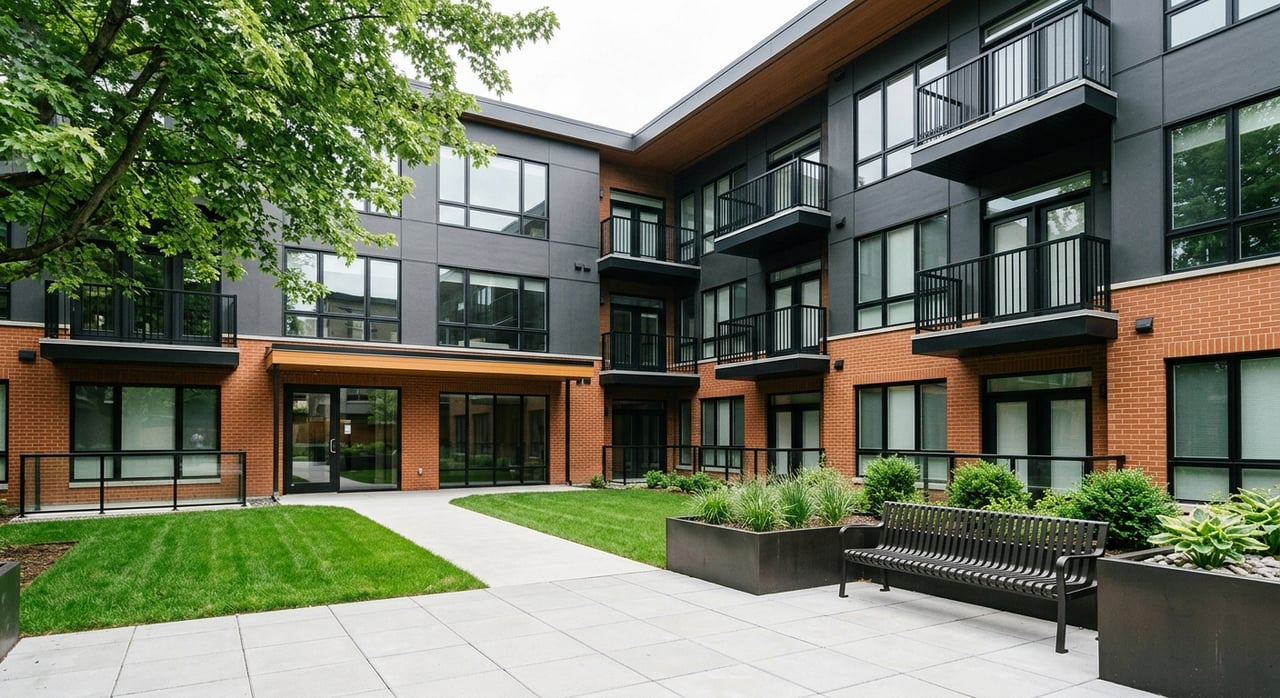
In Pittsburgh’s current condo market, successful buildings appear to be winning with practical urban features rather than overbuilt extras. Forte advertises indoor parking, secure entry, elevator access, a fitness center, and a courtyard. Penn 23 advertises indoor parking, bicycle storage, shared outdoor space, a fitness center, balconies, and a garage space included in each unit.
These details matter because they match how many urban buyers actually live. Parking, bike storage, outdoor space, and easy building access can have a direct impact on convenience and long-term appeal. In a selective pipeline, the right amenity mix can help a project stand apart.
What developers can take from the market
For developers, Pittsburgh’s condo story looks less like a volume game and more like a precision game. The strongest opportunities appear tied to neighborhoods that can support the product, pricing, and pace of absorption.
The city controller’s 2025 inclusionary-zoning report also adds an important note of caution. It warns that Department of City Planning datasets can include cancelled or withdrawn projects, which means pipeline counts are directional rather than guaranteed deliveries.
That matters when you are reading headlines about future unit volume. A pipeline can signal intent, but not every proposal becomes a completed building. In a market like Pittsburgh, where project scale is often smaller and timelines can stretch, execution and positioning matter as much as raw numbers.
The URA’s recent Downtown work reinforces that point. The authority says it has committed more than $36 million to support more than 1,000 homes, with 217 new Downtown units advanced in September 2025, but much of that activity is focused on rentals and mixed-use reuse. For-sale condos remain a more targeted part of the urban development picture.
Why local insight matters now
Pittsburgh’s urban condo pipeline is real, but it is not uniform across the city. The Strip District is the clearest center of activity, Downtown remains more boutique on the for-sale side, and many other neighborhoods are seeing smaller adaptive-reuse projects rather than large towers.
If you are buying, that means the best opportunities often appear early and move fast. If you are planning a project, it means neighborhood fit, approval timing, and amenity choices can influence results more than sheer unit count.
That is where a local, project-level view becomes valuable. New construction condos do not move through Pittsburgh in one simple cycle, and buyers rarely benefit from a wait-and-see approach when supply is limited. If you want guidance on active projects, pre-sale timing, or how Pittsburgh’s urban condo market is evolving, schedule a free consultation with New City Pittsburgh.
FAQs
What does Pittsburgh’s urban condo pipeline look like right now?
- Pittsburgh’s for-sale urban condo pipeline is relatively small and concentrated, with the Strip District serving as the most active corridor and other neighborhoods seeing mostly boutique or adaptive-reuse projects.
Why is the Strip District important for Pittsburgh condo buyers?
- The Strip District has the strongest concentration of residential pipeline activity, plus strong walkability, transit access, bike infrastructure, and heavy foot traffic along Penn Avenue.
Are most new Downtown Pittsburgh housing projects condos?
- No. Recent Downtown activity has leaned more toward rental conversions, while condos remain a smaller share of the market.
How can Pittsburgh buyers track condo projects before they launch?
- Buyers can watch Development Activities Meeting schedules, city planning records, and project pages to spot projects before final pricing and move-in dates are announced.
What features are common in newer Pittsburgh condos?
- Common features in current projects include indoor parking, secure entry, elevator access, fitness space, bike storage, balconies, and shared outdoor areas.
What should Pittsburgh developers understand about condo demand?
- Local condo demand appears to be strongest when project size, location, amenities, and timing are closely matched to the neighborhood’s buyer pool.