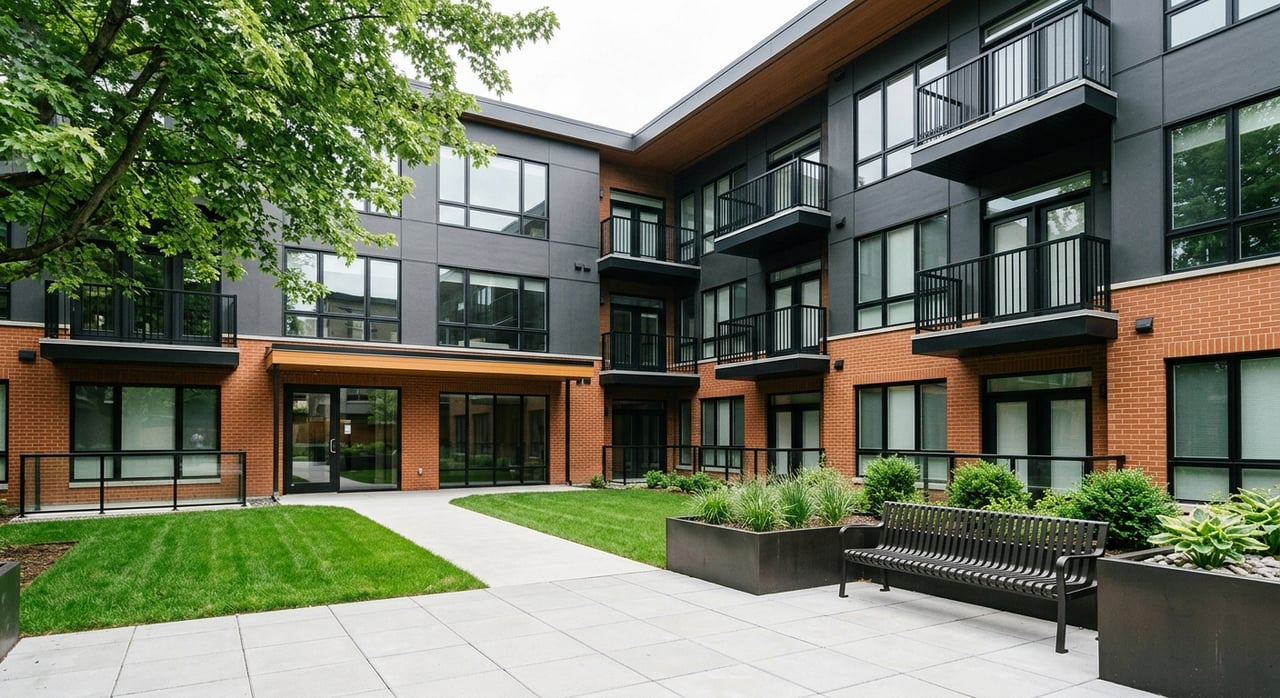
Looking for a home that gives you city convenience without the full workload of a detached house? In Highland Park, condos and townhomes can offer that balance. You get a neighborhood known for tree-lined streets, direct access to one of Pittsburgh’s major parks, and a mix of attached-home options that fit different budgets and lifestyles. If you are trying to decide whether low-maintenance living here makes sense for you, this guide will help you sort through the tradeoffs. Let’s dive in.
Why Highland Park Appeals
Highland Park stands out because it offers attached housing in a neighborhood shaped by green space, not just density. The area is anchored by Highland Park, a 378-acre city park, and the City of Pittsburgh describes the neighborhood as tree-lined and home to the zoo.
That setting matters if you want to simplify homeownership without giving up access to the outdoors. The park includes tennis courts, sand volleyball courts, the Bud Harris Cycling Track, ballfields, playgrounds, outdoor fitness equipment, and shelters. For many buyers, that makes it easier to trade a large private yard for nearby public amenities you can actually use.
The neighborhood also has a distinct built character. City materials describe a concentration of Victorian, Tudor, and Colonial homes, which helps explain why attached housing here can feel more residential and integrated into the streetscape than in a more apartment-heavy district.
Attached Homes in Highland Park
One of the most important things to know is that Highland Park does not offer one standard condo or townhome product. The attached-home inventory is mixed, which means your day-to-day experience can vary a lot depending on the property.
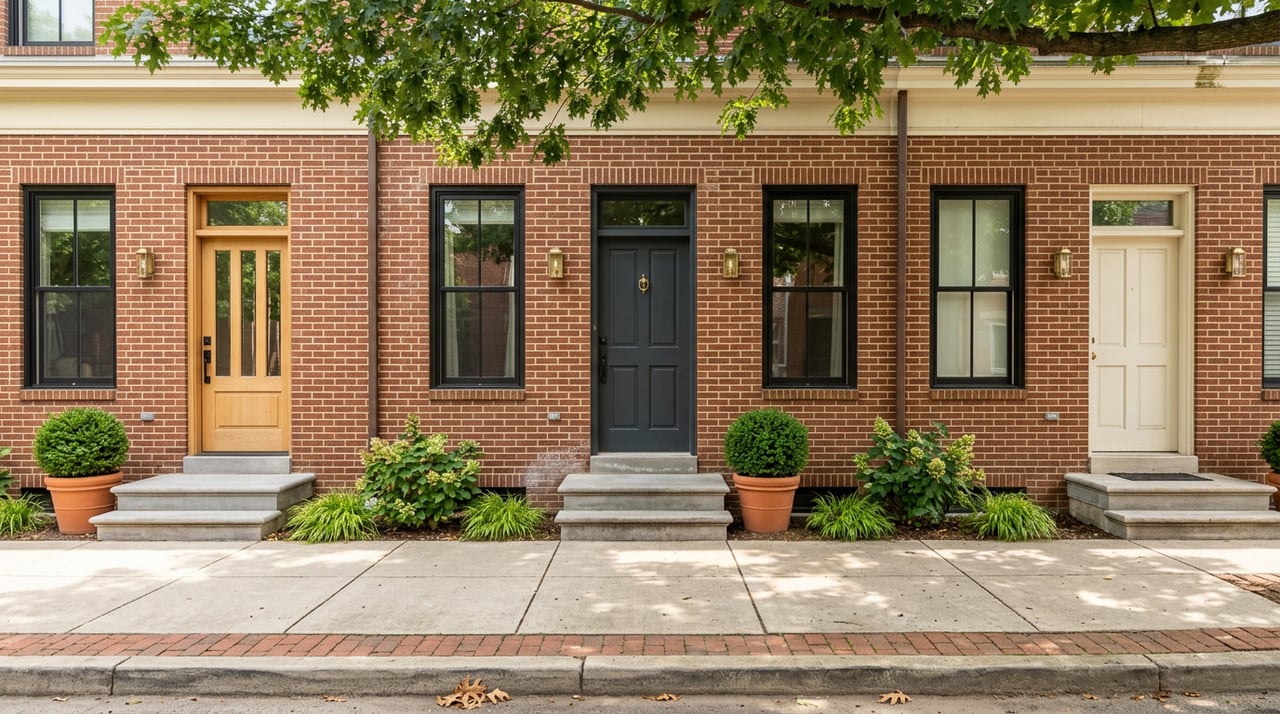
Older townhouse-style homes in the neighborhood often still include features that feel closer to traditional homeownership. Recent examples have included front porches, rear yards, patios, fenced outdoor space, detached garages, and off-street parking.
That is good news if you want lower exterior upkeep without giving up every bit of private space. In Highland Park, low-maintenance living often means less maintenance, not zero maintenance.
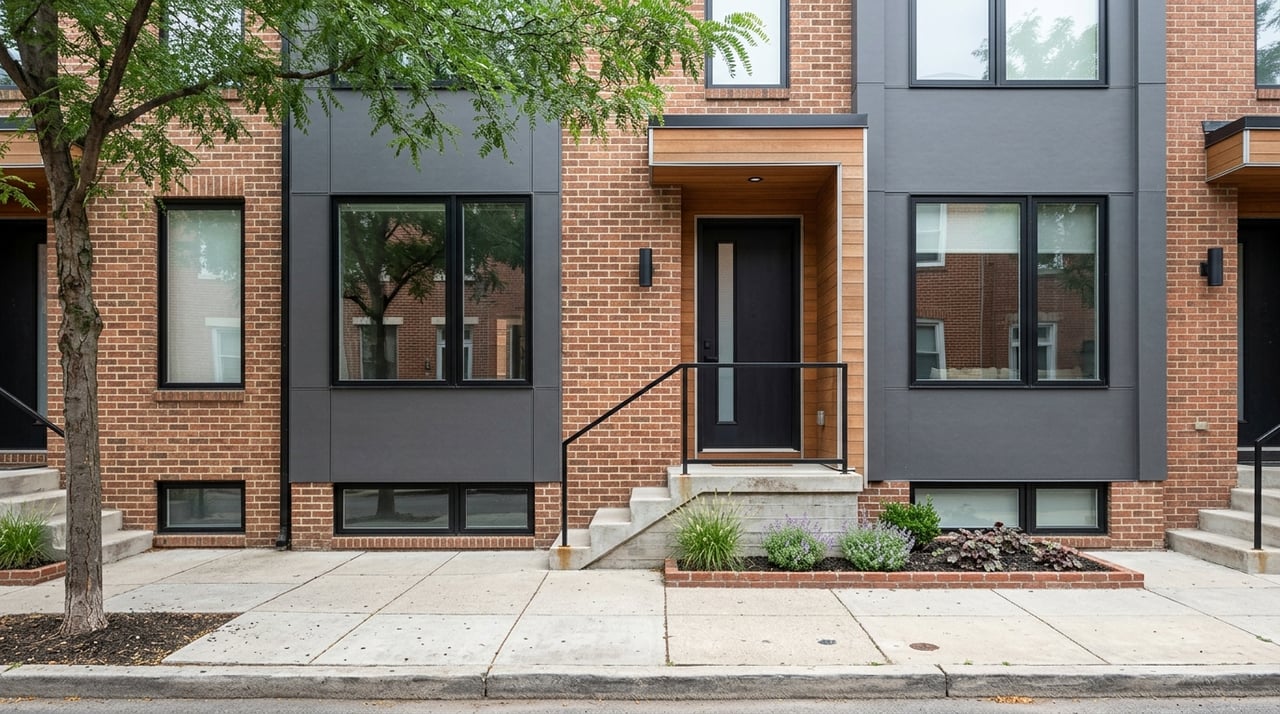
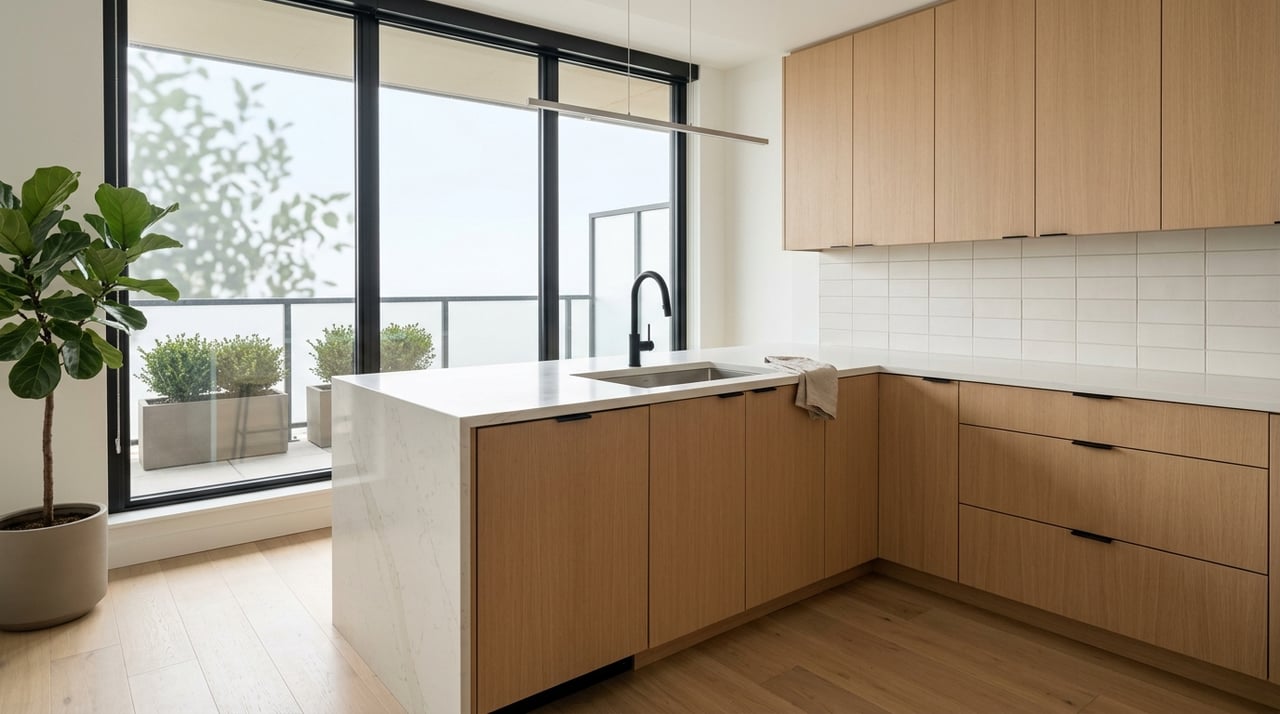
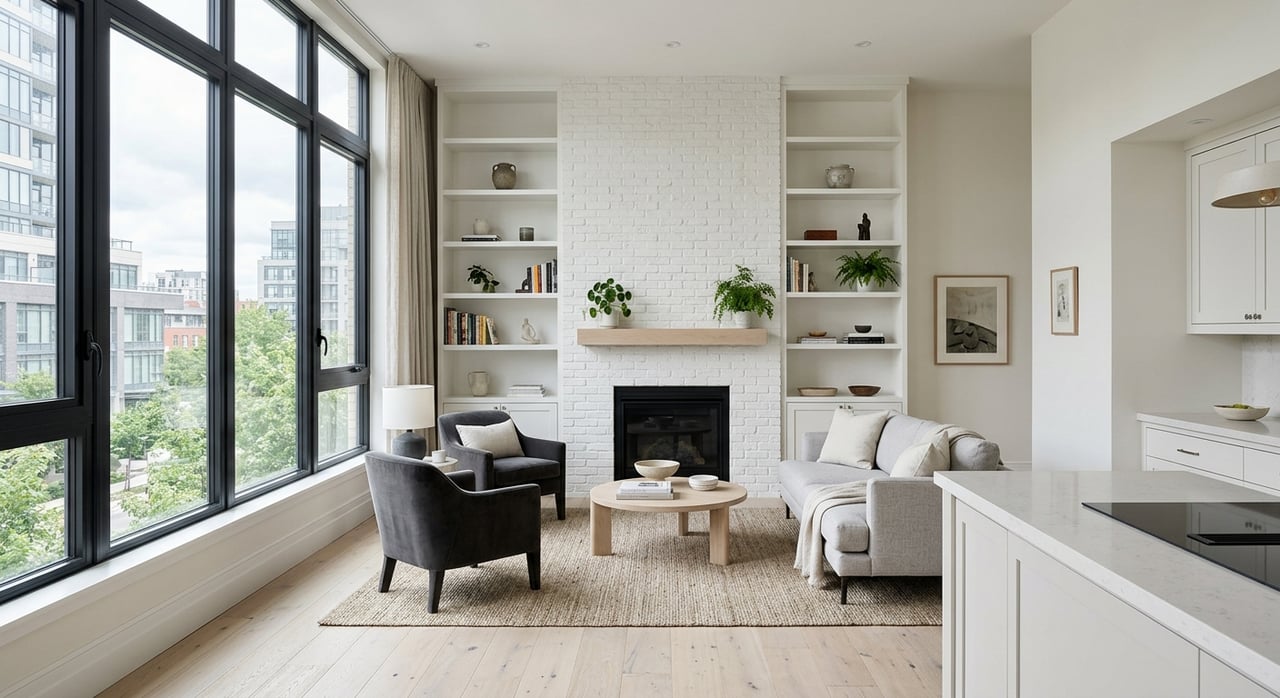
At the newer end of the market, there are also boutique condo options with a more contemporary setup. A recent new-construction condo example at 5804 Bryant Street included elevator access, a private balcony, indoor deeded parking, and private storage. That type of product is a very different experience from an older townhouse, even though both fall under the attached-home category.
What Low-Maintenance Really Means
The phrase “low-maintenance” can sound simple, but it means different things in different buildings. In Highland Park, the real question is not whether a home is attached. It is which responsibilities stay with you and which shift to the association.
Under Pennsylvania condominium law, the association is responsible for common elements, while each unit owner is responsible for the unit itself unless the declaration says otherwise. Associations can also adopt budgets, set reserves, and collect assessments for common expenses.
That means condo living can reduce the amount of exterior work you manage directly. It does not mean all upkeep disappears. You still need to understand what the monthly fee covers, what repairs remain your responsibility, and how the building handles long-term maintenance planning.
Parking and Outdoor Space Matter
When buyers picture condo living, they sometimes imagine no yard and one simple parking arrangement. Highland Park is more nuanced than that.
Parking can range from street parking to detached garages, integral garages, assigned spaces, and deeded indoor parking. Outdoor space also varies widely. Some older townhomes offer porches, patios, or fenced yards, while newer condos may focus more on balconies or shared common areas.
This is where your priorities need to be clear. If you want private outdoor space, an older townhouse may be a stronger fit. If you care more about newer finishes, elevator access, or indoor parking, a newer condo building may make more sense.
HOA Dues Can Vary Sharply
One of the biggest mistakes buyers make is assuming condo dues will be similar across the neighborhood. In Highland Park, that is not the case.
Published listing data shows that some attached homes may have no HOA dues listed in public records, while a newer condo example at 5804 Bryant Street showed $550 per month in HOA dues. That difference reflects the property itself, not just the neighborhood.
In practical terms, dues can depend on factors like:
- Building age
- Amenities
- Insurance structure
- Reserve funding
- Parking setup
- Scope of shared maintenance
A higher fee is not automatically bad, and a lower fee is not automatically better. What matters is whether the budget, reserve planning, and maintenance responsibilities align with the lifestyle you want.
Renovations Need Extra Review
If you like the idea of updating a home over time, ownership form matters. Condo and townhome living can come with more restrictions than detached housing, especially when the work affects the exterior or shared elements.
Pennsylvania law allows associations to limit certain interior improvements if they would affect structural integrity, mechanical systems, or the appearance of common or exterior elements without association permission. Owners must also allow reasonable access for needed work.
In Highland Park, there may be another layer to check. The City of Pittsburgh states that external alterations to individually designated historic properties or properties in historic districts are subject to review after approval. Because some properties in Highland Park may carry historic significance, it is important to verify parcel-specific status before you assume an exterior project will be straightforward.
Questions to Ask Before You Buy
If you are comparing condos and townhomes in Highland Park, a few due-diligence questions can save you time and stress later. These questions help clarify whether a property truly fits your version of low-maintenance living.
Ask about:
- What the monthly HOA fee includes
- Who handles the roof, facade, snow removal, and landscaping
- How the building manages insurance and reserve funding
- Whether parking is deeded, assigned, garage-based, or street-only
- Whether balconies, porches, windows, or other exterior features have restrictions
- Whether the building or parcel is subject to historic review
These details can shape both your monthly budget and your flexibility as an owner. Two attached homes on nearby streets can come with very different expectations.
Highland Park Market Context
It also helps to understand where Highland Park sits in the broader market. Recent market snapshots point to a mid- to upper-midprice neighborhood.
Redfin reported a median sale price of $430,000 in March 2026, with an average of 118 days on market. Zillow’s April 2026 home-value data placed the average neighborhood value at $472,260, with 19 homes listed for sale.
For you as a buyer, that means attached housing here may cover a broad pricing range. Some options will feel more accessible because they are older or simpler in finish, while newer condo inventory may push into a higher tier because of design, amenities, and building services.
Who Highland Park Fits Best
Highland Park can be a strong fit if you want neighborhood character, access to major park space, and less exterior upkeep than a detached house often requires. It especially appeals to buyers who want an urban residential setting with a calmer, greener feel.
It may be a weaker fit if your top priority is a large private yard or full freedom to make exterior changes without association or historic-review oversight. That does not mean you should rule it out. It just means you should go in with a clear understanding of the tradeoffs.
The right attached home here is usually not the one with the longest amenity list. It is the one that matches how you actually want to live, maintain, park, and use outdoor space.
If you are weighing condo and townhome options in Highland Park, New City Pittsburgh can help you compare buildings, ownership structures, and neighborhood fit with a more informed lens.
FAQs
What types of condos and townhomes are available in Highland Park?
- Highland Park has a mixed attached-home inventory that includes older townhouse-style homes, condo or co-op style properties, and newer boutique condos with features like elevator access, balconies, and indoor deeded parking.
What makes Highland Park attractive for low-maintenance living?
- Highland Park combines attached housing with direct access to a 378-acre regional park, plus amenities like tennis courts, playgrounds, ballfields, fitness equipment, shelters, and the zoo.
What does an HOA usually cover in a Highland Park condo?
- Coverage varies by building, but buyers should verify whether the HOA handles items like common elements, exterior maintenance, snow removal, landscaping, insurance structure, and reserve funding.
Are Highland Park townhomes maintenance-free?
- No. Attached homes can reduce some exterior upkeep, but they are not maintenance-free. Your responsibilities depend on the ownership structure, association documents, and the specific property.
Do Highland Park condos always include parking?
- No. Parking arrangements vary and may include street parking, detached garages, integral garages, assigned spaces, or deeded indoor parking depending on the property.
Can you renovate a condo or townhome in Highland Park?
- Possibly, but you need to verify association rules and whether the property is subject to historic review. Exterior changes and work affecting shared or structural components often face more restrictions.
What is the price range like for Highland Park attached homes?
- Attached homes in Highland Park can span a wide range, from older lower-priced townhomes to newer higher-priced condos, within a neighborhood where recent market snapshots showed mid- to upper-midprice positioning.