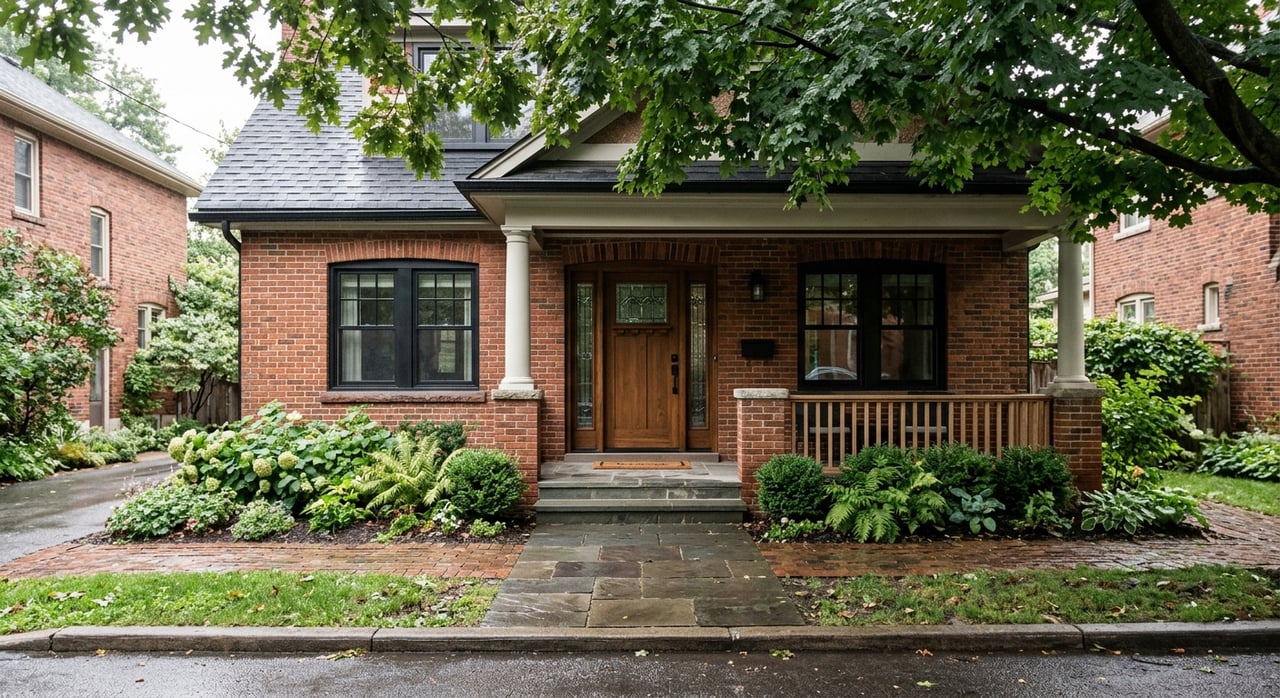
Wondering whether to buy a beautifully updated home or take on a project in Highland Park? It is a smart question, especially in a neighborhood where older homes, distinctive architecture, and park access all shape the buying experience. If you are weighing convenience against customization, this guide will help you compare the tradeoffs, understand local rules, and make a more confident decision. Let’s dive in.
Why Highland Park Makes This Choice Different
Highland Park is not a one-size-fits-all housing market. The neighborhood includes a National Register residential historic district, with architecture tied to periods from 1850 to 1949 and styles such as Colonial Revival and Tudor Revival. In practical terms, that often means you are looking at older homes with character, but also older systems, materials, and maintenance needs.
The neighborhood’s setting also adds to its appeal. City materials describe Highland Park as a regional park with reservoirs, a super playground, swimming pools, tennis courts, a velodrome, picnic groves, the zoo, and Heth’s Run. For many buyers, that mix of architecture and access to outdoor amenities is exactly what makes Highland Park worth a closer look.
Renovated Home Benefits
A renovated home usually makes the most sense if you want a faster, simpler move. You can focus on inspections, financing, and closing without also trying to line up contractors, permits, and a work schedule. That can make your first few months of ownership feel much more predictable.
Renovated homes also tend to appeal to buyers who value finished spaces and lower project management. If your goal is to settle in quickly and avoid living through construction, paying more upfront for completed work may be the better fit. For many buyers, that convenience is worth the premium.
Updated Does Not Mean Maintenance-Free
Even when a home looks turnkey, you should still approach it carefully. A home inspection is different from an appraisal, and it can uncover issues that affect your budget or your decision to move forward. Serious findings may also support renegotiation or cancellation if your contract includes an inspection contingency.
That matters in Highland Park because many homes are older, even when they have updated kitchens, baths, or finishes. Fresh renovations do not erase the age of the structure, and hidden issues can still exist behind walls or under floors. A polished presentation should never replace careful due diligence.
Budget Beyond the Purchase Price
If you buy a renovated home, your budget should still leave room for more than the down payment. Buyers should set aside money for repairs, property taxes, insurance, closing costs, moving costs, and future home improvements. That advice is especially useful in a neighborhood with older housing stock.
A renovated purchase can offer a smoother start, but it is still wise to keep cash reserves after closing. Small repairs, routine maintenance, and age-related surprises can show up sooner than expected. The goal is not just to buy the house, but to feel comfortable owning it.
Fixer-Upper Benefits
A fixer-upper can be attractive if you want more control over the final result. You may be able to enter the neighborhood at a lower price point, then improve the property over time in a way that matches your taste and priorities. For buyers who see potential easily, that upside can be compelling.
The tradeoff is that the work does not end at closing. Instead, much of the effort starts after you get the keys. You may need to coordinate contractors, permits, budgets, inspections, and a realistic timeline before the home fully fits your needs.
Renovation Financing Options
Some buyers use renovation financing to combine the purchase and improvement costs into one loan. HUD’s 203(k) program allows that structure, with a Limited 203(k) for smaller non-structural projects up to $75,000 and a Standard 203(k) for larger rehabilitation projects with at least $5,000 in rehab costs.
Fannie Mae’s HomeStyle Renovation mortgage works in a similar way by rolling repair and renovation costs into a conventional first mortgage. According to Fannie Mae, eligible costs may include contingency reserves, permits, plans and specifications, inspection costs, and, if the home cannot be occupied during the work, up to six mortgage payments. That can make a larger project more manageable, but it also shows how detailed the planning needs to be.
Why Fixer Timelines Stretch
Renovation projects often take longer than buyers first expect. HUD’s 203(k) process helps explain why: the work requires a write-up, contractor bids, permits before work begins, inspections, and draw-based fund releases. Each step adds time, coordination, and the possibility of delays.
If you are considering a fixer in Highland Park, it helps to think beyond the design ideas. You also need a plan for where you will live, how long the work may take, and how much uncertainty you can tolerate. A project home can be rewarding, but only if the timeline works for your life.
Highland Park Rules to Check Before You Buy
One of the most important questions is whether a specific property is locally designated or located in a City-designated historic district. If it is, exterior work requires Historic Review Commission approval and a Certificate of Appropriateness. This is a property-specific issue, so you should verify it early in the process.
That distinction matters because Highland Park’s older architecture often inspires renovation ideas right away. But wanting to change windows, doors, roofing, or other exterior details is different from being allowed to do so without review. Knowing the rules before you make an offer can prevent expensive surprises later.
What Work Usually Needs a Permit
In Pittsburgh, some cosmetic finish work generally does not require a permit. The city says painting, papering, tiling, carpeting, cabinets, and countertops are typically in that category. That can make lighter updates easier to plan.
However, structural changes, load-bearing alterations, egress changes, and electrical, mechanical, or plumbing work do require permits. If the property is in a historic district or is individually designated, exterior work also requires a Certificate of Appropriateness. For fixer-upper buyers, these rules are not side details. They shape cost, timing, and scope.
Lead Paint Can Affect Older Homes
Because Highland Park has many older homes, lead-safe planning matters. EPA says many homes built before 1978 have lead-based paint, and buyers of pre-1978 housing must receive known lead information. Buyers may also get an independent lead inspection.
This is especially important if you plan to renovate soon after closing. Work that disturbs old paint can create hazardous lead dust. If you are buying an older fixer, lead awareness should be part of your decision from the start, not an afterthought.
How to Decide What Fits You Best
The simplest way to frame the choice is this: pay more upfront for convenience, or accept more uncertainty for customization and possible upside. Neither option is automatically better. The right choice depends on your money, your schedule, and your comfort with project risk.
A renovated home often fits buyers who want speed, lower project management, and a more predictable first year. A fixer-upper tends to fit buyers who have stronger cash reserves, can handle delays, and want to shape the home more directly. In Highland Park, that decision also needs to account for the age of the housing stock and the possibility of historic review or lead-related precautions.
A Practical Highland Park Checklist
Before you decide, ask yourself these questions:
- Can you comfortably live in the home as it is today?
- Will you still have solid cash reserves after closing?
- Is the property locally designated or in a City-designated historic district?
- If the home was built before 1978, have you reviewed lead disclosures and considered testing?
- Do you already have a contractor, budget, and timeline plan before making an offer?
If several of those answers are uncertain, a renovated home may be the safer path. If you have a clear project plan and room in your budget for surprises, a fixer-upper may offer more long-term flexibility.
The Bottom Line for Highland Park Buyers
In Highland Park, the renovated-versus-fixer choice is about more than finishes. It is about how you want to live during your first year of ownership, how much uncertainty you can absorb, and how prepared you are for the realities of older housing. In a neighborhood known for architectural character and strong outdoor amenities, both paths can work, but they require different kinds of preparation.
If you want help weighing a specific property, comparing renovation risk, or narrowing your search in Highland Park, New City Pittsburgh can help you think through the options with a local, design-aware perspective.
FAQs
Should you buy a renovated home in Highland Park if you want a quick move?
- Yes, a renovated home is usually the better fit if you want to move in quickly and avoid managing contractors, permits, and temporary housing.
Should you get an inspection on a renovated Highland Park home?
- Yes, you should still get an independent home inspection because updated finishes do not guarantee that an older home is free of hidden issues.
What renovation work in Pittsburgh usually needs a permit?
- Structural changes, load-bearing work, egress changes, and electrical, mechanical, or plumbing work generally require permits, while many cosmetic finish updates do not.
When do historic rules apply to a Highland Park property?
- Historic rules apply if the specific property is individually designated or located in a City-designated historic district, especially for exterior work that needs Historic Review Commission approval and a Certificate of Appropriateness.
Is lead paint a concern in older Highland Park homes?
- Yes, for homes built before 1978, lead-based paint can be a concern, and buyers should review disclosures and consider testing before starting renovation work.
Can you finance both the purchase and renovation of a fixer-upper?
- Yes, options such as HUD’s 203(k) and Fannie Mae’s HomeStyle Renovation mortgage may allow you to combine purchase and renovation costs into one loan.
How should you budget for a fixer-upper in Highland Park?
- You should plan for more than construction costs alone, including contingency reserves, permits, plans, inspections, and possible unexpected repairs or temporary housing costs.