Thinking about trading yard work for morning walks to coffee, parks, and the library? If you are planning a move to a Squirrel Hill condo, you are on the right track for low-maintenance living with strong neighborhood amenities. You want a simpler routine without giving up access to groceries, green space, and transit, and Squirrel Hill delivers that balance. In this guide, you will learn what to expect from local condo options, how to budget, how to line up the sale of your current home with your condo purchase, and what to check in the building’s documents so your move feels easy. Let’s dive in.
Why Squirrel Hill fits low-maintenance living
Squirrel Hill North and South are both rated Very Walkable, with Walk Scores in the low 70s and frequent bus lines along Murray and Forbes. You can see current scores and transit notes on the pages for Squirrel Hill North and Squirrel Hill South. This is a strong base for a lock-and-leave lifestyle with less car dependency.
You are also close to major parks and daily needs. Frick Park and Schenley Park offer miles of trails and lawn space. Murray and Forbes give you grocery options, cafes, pharmacies, and the Carnegie Library’s Squirrel Hill branch for events and quiet work time.
Many condo buildings in Squirrel Hill are designed for easy living. On-site or nearby maintenance services, elevator access, assigned parking, and secure entry help you focus on life rather than upkeep. If you travel often or just want a calmer routine, this neighborhood lets you step out the door to errands and come home to a building that handles the heavy lifting.
What to expect in Squirrel Hill condos
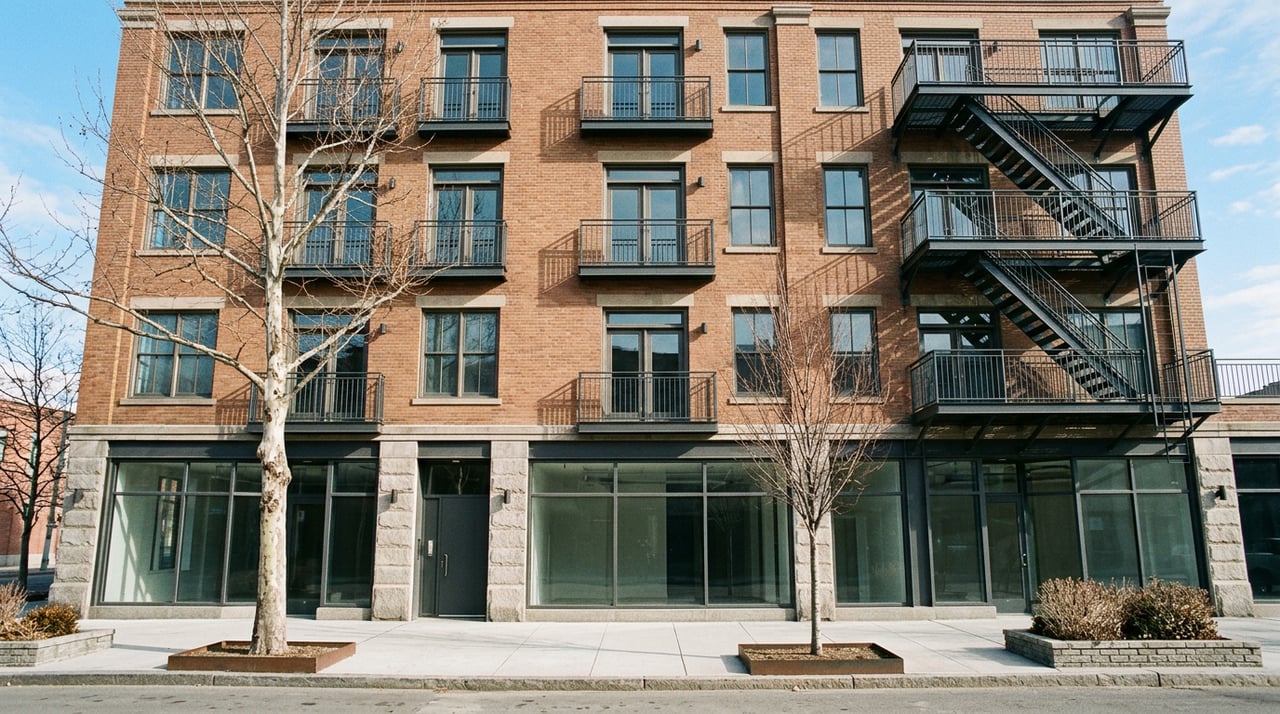
You will see a mix of mid-rise brick conversions, purpose-built condo towers, and smaller associations converted from apartment buildings. Building age and construction quality vary, which affects your comfort, utilities, and long-term costs. Elevators, concierge services, and garage parking are common in larger buildings, while smaller associations may keep things simple.
Because buildings differ, plan to compare apples to apples. Ask what utilities are included in dues, how parking is assigned, whether storage lockers are available, and what the building’s move rules look like. These details shape both your daily routine and your monthly budget.
Budget and monthly costs to plan
As of Feb 2026, Redfin reports the Squirrel Hill South median sale price at about $476,250 across all home types, and Squirrel Hill North trends higher. You can review current neighborhood snapshots on Redfin’s Squirrel Hill South housing market page and the Squirrel Hill North page. Market figures change month to month, so check those pages as you get closer to writing offers.
Condo or HOA fees vary by building, amenities, and unit size. Nationally, many communities fall in the 200 to 400 dollars per month range, with basic associations sometimes lower and amenity-rich buildings higher. You can use national benchmarks from HomeGuide’s HOA fee overview to set expectations while you compare buildings locally.
What dues often cover:
- Exterior and common-area maintenance, including roof, hallways, landscaping, and snow removal
- Master insurance for the building and sometimes some utilities, often water and sewer, with heat inclusion varying by building
- Reserve fund contributions for major future repairs
- On-site services like elevators, trash, a gym, pool, or concierge
- Management fees and sometimes limited parking or storage upkeep
One more budget note. HOA or condo dues are typically paid separately from your mortgage and are not usually escrowed. The CFPB explains how HOA dues relate to your monthly mortgage payment, which can help you plan cash flow.
Taxes in Allegheny County
Property taxes are parcel-specific. Bills reflect assessed value and multiple millage components, including county, city, and school district. For any condo you are considering, look up the tax history and assessment on the Allegheny County property and assessment portal. Your lender and title company will also estimate taxes during underwriting.
Insurance and flood considerations
While most Squirrel Hill condos sit on higher ground, some buildings near ravines may carry some flood or environmental risk. Neighborhood pages on Redfin include Flood Factor summaries that can guide early screening, then you can confirm building-specific insurance needs during due diligence. If a building has a history of water projects, ask for documentation and plan your unit owner policy accordingly.
Time your sale and condo purchase
If you are moving from a larger home, timing your sale and purchase is the biggest lever for a smooth move. Here are three common approaches, with pros and cons to weigh with your agent and lender.
- Sell first, then buy
- Pros: You avoid carrying two mortgages and know your proceeds for the condo down payment.
- Cons: You may need temporary housing or a short rent-back if your house closes before your condo is ready.
- Tip: If you need extra time after closing, negotiate a seller rent-back for a defined window.
- Buy first, then sell
- Pros: You can write a stronger, non-contingent offer and move on the right condo quickly.
- Cons: You must qualify for a second mortgage or bridge financing, and you could carry two payments until your house sells.
- Tip: Get preapproved early and understand fees and timelines for bridge loans or a HELOC.
- Make your condo offer contingent on sale
- Pros: No bridge financing, and you pay only after your house sells.
- Cons: In competitive settings, sellers often prefer non-contingent offers, so this route can be less attractive.
- Tip: If you must use a sale contingency, keep the timeline tight and show that your home is already listed or under contract.
Suggested planning timeline:
- 12 to 16 weeks before your ideal move: meet with an agent, estimate net proceeds, and start decluttering.
- 6 to 8 weeks before: list your house, start condo tours, and identify 1 to 2 target buildings. Ask management how to request the resale packet.
- Once under contract on your house: align closing dates. If buying first, lock in bridge or HELOC terms early. If selling first, plan for a rent-back or short-term housing if needed.
Smart condo due diligence that protects you
Association strength and building condition matter just as much as layout and finishes. Request the building’s resale or disclosure packet and review it closely with a real-estate attorney or a specialist who reviews condo documents. Aim to cover these items during your review window.
Key documents and questions:
- Budget and year-to-date financials. How are dues allocated and are there any large or fast-rising line items
- Reserve fund balance and any recent reserve study. Are reserves adequate for the building’s age and projects
- Special assessments. How frequent and how large were past assessments
- Board meeting minutes for the last 12 to 24 months. Are there signs of litigation, major projects, building loans, or high delinquency rates
- Master insurance summary and unit owner requirements. What does the master policy cover versus what you must insure
- Governing documents, including Declaration, Bylaws, and Rules. Confirm rental caps, pet policies, guest rules, and any lease restrictions that could affect future flexibility
A well-run association with healthy reserves and transparent governance is a strong signal for low-maintenance living. If something looks unclear, ask for clarification before your contingency window closes.
Move-day logistics in Squirrel Hill
Many Squirrel Hill condo buildings require an elevator reservation, a move deposit, and a certificate of insurance from your movers. Reach out to building management as soon as your closing window is firm so you can lock in dates and avoid delays.
For curb or loading zone needs, the City of Pittsburgh issues temporary right-of-way and no-parking permits through DOMI and OneStopPGH. Apply early and follow posted signage rules on your block. You can review city guidance on the City of Pittsburgh’s DOMI and permitting information.
To avoid mail gaps, file a USPS Change of Address at least 7 to 14 days before move-in. The official process is explained in the USPS Change of Address guide. Also notify your banks, utilities, insurance, vehicle registration, and any subscriptions.
When hiring movers, choose a company familiar with Squirrel Hill’s one-way and narrow streets. Ask about elevator padding, building damage liability, and parking strategies for moving day. If you can, book an off-peak time to stay clear of busier traffic windows on Murray and Forbes.
Lock-and-leave checklist for easier living
If you want true low-maintenance comfort, confirm these details up front and compare them across buildings:
- Utilities included. Some associations include heat, water, and sewer in monthly dues, which simplifies bills and budgeting.
- Security and access. Look for secure entry, concierge or on-site management, and well-managed common areas.
- Parking and storage. Verify assigned garage spots, guest parking rules, bike storage, and a dedicated storage locker if you need one.
- Everyday convenience. Grocery delivery and nearby shops reduce errands. Giant Eagle on Murray and neighborhood markets make it easy to keep the fridge stocked. For programs and quiet work time, check the Carnegie Library’s Squirrel Hill branch calendar.
A condo that checks these boxes will support a simple routine today and a safe, flexible lock-and-leave lifestyle if you travel.
Ready to make your move
If a Squirrel Hill condo sounds like the right next step, your best move is to compare a few buildings side by side and line up your sale and purchase strategy early. That way you can move once, keep costs predictable, and start enjoying walkable, low-maintenance living.
If you want a clear plan and a curated shortlist of buildings that fit your goals, connect with New City Pittsburgh. Schedule a free consultation and we will map your timeline, budget, and target buildings so you can move with confidence.
FAQs
What makes Squirrel Hill condos good for low-maintenance living
- Strong walkability, frequent transit on Murray and Forbes, proximity to parks and groceries, and buildings with services like elevators and secure entry.
How much are typical condo fees in Squirrel Hill
- Many condominium communities nationally fall in the 200 to 400 dollars per month range, with local fees varying by building amenities and unit size.
Where can I check current Squirrel Hill condo prices
- Review neighborhood snapshots on Redfin’s Squirrel Hill South and Squirrel Hill North housing market pages for current medians and trends.
How do Allegheny County property taxes work for condos
- Taxes are based on assessed value plus county, city, and school millage, so check the specific parcel on the county property and assessment portal before you buy.
What condo documents should I review before I buy in Squirrel Hill
- Ask for the resale packet, including budget, reserves, recent assessments, meeting minutes, master insurance, and governing documents with rules and rental caps.
Do I need a permit for the moving truck in Squirrel Hill
- Many buildings require elevator reservations, and the city offers temporary right-of-way or no-parking permits for curb space, so apply in advance through DOMI or OneStopPGH.